

Familiarity with the main routes of Istanbul, the distances between attractions, and time management are crucial for fully enjoying the trip. Additionally, many travelers seek an itinerary that covers both the historical parts of the city and provides opportunities to enjoy local foods, markets, and coastal spaces. Therefore, a balanced three-day plan can offer a comprehensive view of this city.
Day One: The Historic Heart of the City
The firstday of the Istanbul touris typically devoted to visiting the historic Sultanahmet area, as this neighborhood is home to some of the city’s most important historical landmarks. Hagia Sophia, as one of Istanbul’s main symbols, is a fitting starting point for the travel itinerary. The multi-layered architecture of this building exemplifies the blending of various cultures throughout history, providing tourists with a comprehensive view of the city’s identity. But is merely visiting Hagia Sophia enough? Certainly not, as there are other attractions nearby. This proximity saves time and increases the efficiency of the first day’s itinerary.
Next on the route is the Blue Mosque, or Sultanahmet Mosque, the second significant highlight in this area. Its magnificent architecture, spiritual atmosphere, and classic design are among the reasons for its popularity among tourists. Visiting the Hippodrome, located nearby, also offers insights into the history of the Eastern Roman Empire. Furthermore, the closeness of this historic complex to local markets provides a great opportunity to experience the everyday culture of Istanbul. As a result, the first day will be a journey through history and urban life.
Day Two: Exploring Markets and Urban Neighborhoods
The Grand Bazaar in Istanbul is one of the largest covered markets in the world and is usually a main destination for tourists on the second day of their trip. This market, with its numerous corridors, antique shops, and traditional architecture, offers a different atmosphere compared to other parts of the city. Wandering through this market introduces tourists to the shopping experience and the commercial culture of the people of Istanbul. But is the Grand Bazaar the only shopping option in this city? Undoubtedly, there are other shopping and strolling options as well. This variety enhances the trip’s appeal and prevents the itinerary from becoming monotonous.
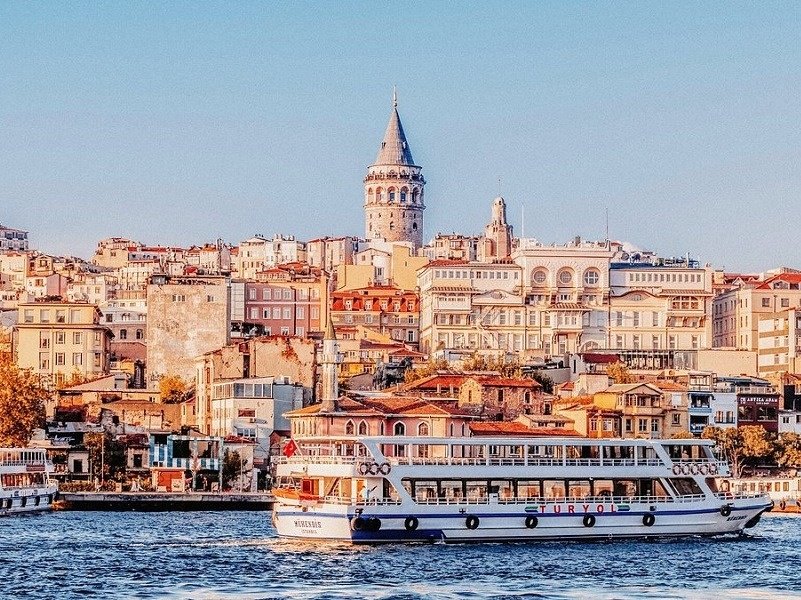
After the Grand Bazaar, it is recommended to head towards the Eminönü district or the areas around the Galata Bridge. This area not only has popular restaurants but also offers beautiful views of the Golden Horn, creating a pleasant space for a midday break. The streets around Galata, filled with cafes, local shops, and historical charm, are among the most attractive walking paths in the city. Moreover, the Galata Tower, a symbol of Istanbul, is also located in this area. Hence, the second day creates a balance between shopping, urban culture, and historical architecture.
Day Three: Experiencing the Bosphorus and Coastal Beauty
The final day of the Istanbul tour is usually dedicated to visiting the Bosphorus Strait, as this waterway is one of the city’s most prominent natural attractions. A boat tour on the Bosphorus allows visitors to see both the European and Asian sides of the city simultaneously. This experience exemplifies the dual identity of Istanbul and the vital role waterways play in urban life. But is the boat tour the only activity for the third day? In many cases, travelers continue along the coastal paths after exploring the Bosphorus. This combination makes the third day a more relaxed and nature-oriented experience.
Additionally, visiting coastal neighborhoods like Ortaköy is a popular part of the trip. The presence of cafes, shops, and coastal views makes this area a perfect spot for spending the last afternoon of the journey. The Bebek neighborhood also offers a tranquil atmosphere and suitable walking paths, providing a taste of local life by the Bosphorus. Furthermore, some tourists prefer to dedicate the last day to final shopping and reflecting on their trip. Therefore, this day presents an opportunity to experience nature, relaxation, and aspects of contemporary Istanbul life.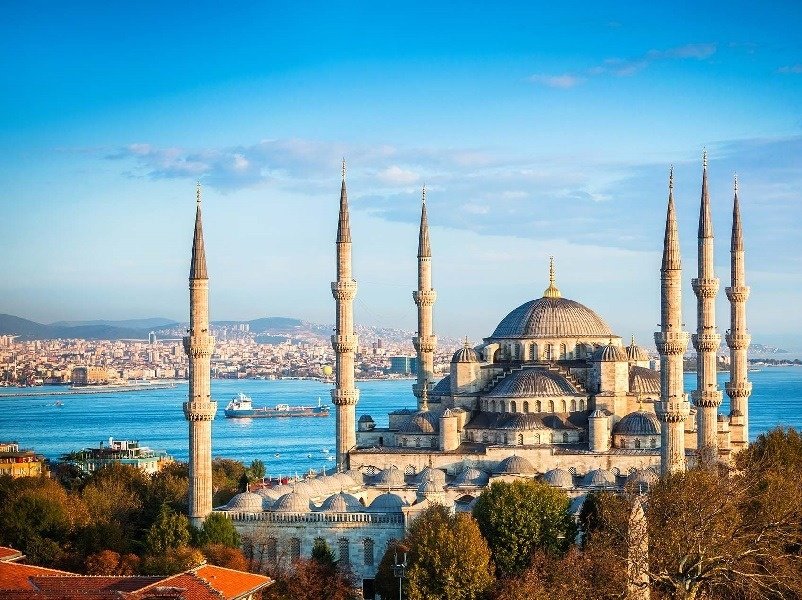
The Role of Transportation in Implementing the Three-Day Plan
The transportation system in Istanbul plays a crucial role in the success of the travel itinerary. The extensive network of metro, trams, buses, and ferries enables faster commuting between different parts of the city. Using the tram on main routes, especially in the historical part of the city, is one of the most efficient methods. But is every route fully covered by public transportation? In some cases, taxis or walking are more suitable options. Moreover, familiarizing oneself with the city map can prevent time wastage.
Traveling between the European and Asian sides is possible by municipal ferries. This experience, besides being a means of transport, also adds to the charm of the trip. For example, traveling from the Eminönü pier to Üsküdar offers a unique perspective on the urban fabric. Therefore, coordinating travel timing with transportation can make the three-day experience more balanced and effective. This factor is one of the key elements in designing the travel plan.
The Importance of Time Management in the Three-Day Tour
One of the challenges of short trips is the need for effective time management. The Istanbul tour, due to the variety of attractions, requires more detailed planning compared to some other destinations. Visiting important landmarks typically requires a set amount of time, and paying attention to distances helps avoid unnecessary crowds. But should all travel time be dedicated to visiting attractions? Balancing sightseeing with rest is one of the essential principles in designing a travel itinerary.
Additionally, some areas, such as the Grand Bazaar or the Galata neighborhood, may require more time for exploration. Allocating sufficient time for these spots enhances overall travel satisfaction. It is also recommended that the plan for the third day be lighter so that travelers have more opportunity for wrapping up and resting. As a result, time management is a key factor in optimizing the three-day travel plan. This aspect directly impacts the quality of the trip.
Aligning the Travel Itinerary with Individual Interests
Each traveler has different expectations from their trip to Istanbul, which underscores the importance of customizing the travel plan. Some tourists are keen to visit historical attractions, while others may prefer shopping, strolling, or experiencing local foods. The three-day plan should allow for flexibility to accommodate these interests. But is a fixed itinerary suitable for everyone? Generally, the answer is no, as the diversity of travel experiences requires a different structure.
Moreover, some families may need more time for relaxation or leisurely activities. Aligning the travel plan with the group’s needs creates a more enjoyable experience. As a result, understanding the motivations behind the trip and adjusting the itinerary accordingly is a crucial part of the tour’s success. This alignment helps travelers engage with parts of the city that resonate most with their interests.
Planning the Istanbul Tour with Flytoday
In conclusion, one of the impactful factors on the quality of a three-day travel plan is having access to comprehensive and categorized information about attractions, routes, and timeframes. Flytoday assists in planning trips by providing practical details about Istanbul’s sightseeing areas, optimal visiting times, suggested urban pathways, and the necessary information for travelers. When a traveler intends to choose the best itinerary forthe Istanbul tourhaving a single source of information and comparing routes reduces confusion and enhances decision-making accuracy. This comprehensive access allows the traveler to tailor their itinerary to their goals, budget, and timeframe. Consequently, having precise knowledge of the city before the trip creates a more relaxed, focused, and professional experience, visibly improving travel quality.