

Key points to know abouttooth extractionduringpregnancyyou need to understand
If you have a damaged tooth that comes with severe pain, it is necessary to have it extracted. Additionally, periodontal issuescanlead to loose teeth due to the loss of bone around the teeth, making extraction necessary in such cases.
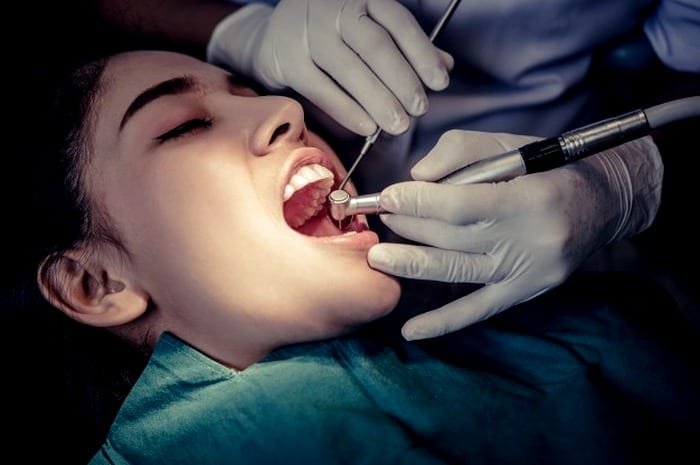
Signs that indicate tooth extraction is necessary:
If you are experiencing any of the following issues, it is a suitable time for tooth extraction:
- Severe pain in the gums and tooth
- Decay or damage to the tooth
- Difficulty eating
- Swollen gums
- Difficulty speaking
- Bleeding gums
Although dental issues can arise at any point during pregnancy, you may need to schedule tooth extraction for an appropriate time. Duringpregnancyavoidwhitening treatmentsor any cosmetic procedures. Also, postpone fillings, cleanings, or crowns.
If a woman’s tooth becomes severely decayed during pregnancy to the point of being untreatable and the infection is spreading, the dentist may recommend extraction.

When can teeth be extracted during pregnancy?
The best time to extract a tooth is during the second trimester of pregnancy.
First trimester:
Generally, dental procedures are avoided in the first trimester unless it is an emergency. The third to eighth week is crucial for the development of important organs in thefetusand any medication orstressfrom the extraction can impact fetal growth and lead to abnormalities in sensitive organs. If a pregnant woman experiences dental decay in the first trimester, treatment should be postponed.Second trimester:The second trimester is the safest period for tooth extraction as the fetus has developed significantly by this time. However, the dentist will take various measures to ensure comfort and to prevent any problems.
During the procedure, if you feel
lightheaded
- (partial or temporary loss of consciousness due to lowblood pressure) try to lay on your left side to reduce pressure.When lying down (supine), pressure from the fetus on the vena cava (a large vein) can cause a syndrome called supine hypotensive syndrome. Therefore, the dentist should adjust your chair to a height of about 10 to 12 centimeters.Third trimester:
- Sitting for a long period may become difficult for you, which could cause discomfort. There is also a higher risk of gum bleeding during tooth extraction at this stage, so extracting a decayed tooth in the third trimester can pose significant risks to the fetus.
If you are in severe pain and extraction is necessary, the first month of the last trimester may be an ideal time for the procedure. While essential treatments like tooth extraction can be performed during pregnancy, advanced treatments are typically avoided.
Are dental procedures safe during pregnancy?
Safety of tooth extraction:

Dental procedures during pregnancy include tooth extraction with X-rays and administering anesthesia. But how safe are they?
1. X-rays:
X-rays are needed to locate the damaged tooth and assess the level of decay. A lead apron is used to cover the upper part of the patient’s body to protect the fetus from radiation exposure.
2. Anesthesia:
Local anesthesia is usually injected before tooth extraction, typically using lidocaine or novocaine, which are considered Category B drugs, meaning they are safe for use during pregnancy.
Anesthesia
does enter the placenta but is filtered before reaching the fetus. The dentist may inject a lower dose than usual to help you remain calm and stress-free during the procedure.
According to the Journal of the American Dental Association, local anesthesia is safe for pregnant women, as studies have shown no evidence that dental treatments with anesthesia are harmful during pregnancy. Nevertheless, many pregnant women often avoid visiting their dentist.Nonetheless, regular dental hygiene practices should be scheduled during pregnancy, particularly in non-complicated pregnancies during the second trimester.

Since both the mother and fetus will receive treatment, it’s important to consult with an obstetrician before beginning any procedures or medications.
The doctor will likely avoid any treatments or medications that could pose risks to the fetus.
However, in emergency cases involving infection, trauma, or injury, they may proceed with treatment. Any treatment must prioritize the mother’s health without compromising the fetus’s safety.
Safety of medications used during dental procedures:
3.

Antibiotics
and pain relievers:The dentist may prescribe penicillin, amoxicillin, and clindamycin, which are safe during pregnancy. Erythromycin is also safe if the patient’s stomach can tolerate it. If you are allergic to any of these medications, consult your doctor and inquire about alternatives.4. Pain medications following tooth extraction:
Medications safe for mothers and their developing fetuses include:The area in the mouth will be sore for a few days. The doctor may use pain relievers like opioids (codeine, hydrocodone, etc.).Paracetamol for toothache: Paracetamol can help relieve pain from tooth extraction in pregnant women and is considered safe for both mother and fetus.Ibuprofen: Medication usage of ibuprofen until the end of week 32 of pregnancy is safe for the health of mothers and their fetuses.
Some medications to avoid after dental work during pregnancy:
Tetracycline (
- tetracycline
- , minocycline, doxycycline)should not be taken as pills or topical formulas, as they can cause discoloration of the fetus’s teeth.You should also avoid fluoroquinolones (ciprofloxacin, levofloxacin, moxifloxacin).
- During pregnancy, teratogenic medications like thalidomide and certain retinoids should not be used, as they could cause abnormalities such as cleft lip or palate in newborns.

Root canals and tooth extraction during pregnancy
- Root canal treatment during pregnancy is sensitive and requires special attention. When a dentist indicates a need for a root canal, it is essential to postpone the procedure until after the first trimester, which has the most significant impact on fetal development, or until after the child is born.Wisdom teethand their extraction during pregnancyAs stated, due to gum issues, you may experience uncontrollable pain from wisdom teeth during pregnancy. Factors such as plaque formation, abnormal tooth growth, or infection maylead to
- wisdom tooth pain.In cases of severe pain and decay, wisdom teeth, like any other teeth, should be extracted.Home remedies for tooth pain during pregnancy
- If you encounter mild tooth pain during pregnancy, consider using home remedies such as cold compresses,
saltwater rinses,
clove oil,
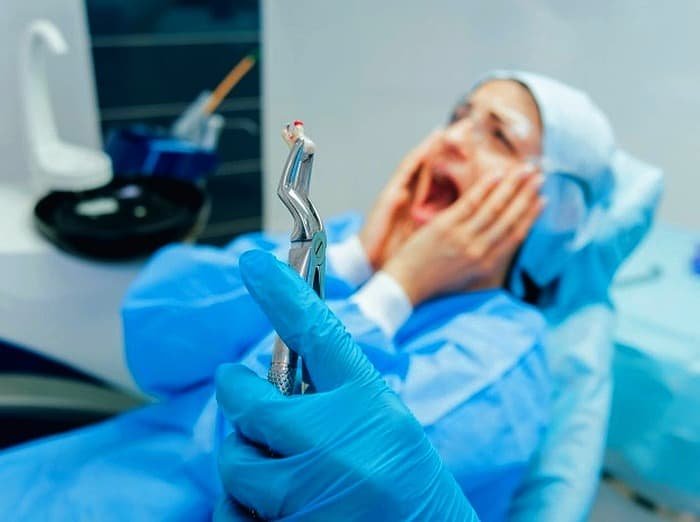
and more for temporary relief.Preventing tooth pain during pregnancy
Before pregnancy, visit the dentist for a check-up and cleaning to address any dental health issues before starting your pregnancy.Regular visits to the dentist during pregnancy are important.Avoid sugary foods during pregnancy.Ensure sufficient calcium intake for the fetal bone growth and to prevent tooth decay during pregnancy.Maintaining proper oral hygiene during pregnancy is essential.
Tooth extraction
Tooth extraction during pregnancyPain in the gums and teethSigns that a tooth needs extractionDentistry during pregnancyThe best time for tooth extraction during pregnancy

Dental anesthesia injection
- Injecting dental anesthesia during pregnancy
- Root canal treatments during pregnancy
- Wisdom tooth extraction during pregnancyPost-extraction medicationPain relief medications for teeth during pregnancy
- Signs of tooth extraction
- Toothache during pregnancy