

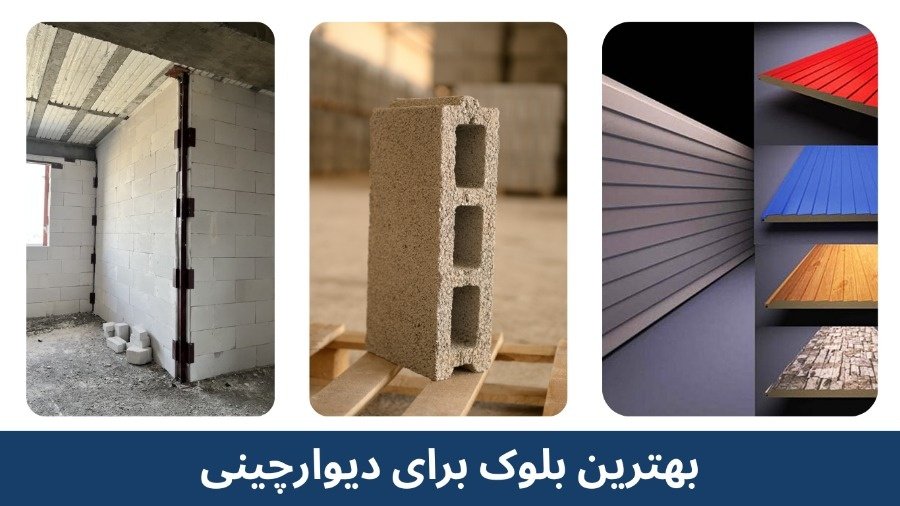
The Best Block for Wall Constructionis determined by thoroughly assessing the project’s needs and execution conditions. Each building has its own specific requirements. The intended use, climate, and budget directly influence the selection of materials. A proper choice increases durability, accelerates the execution process, and minimizes costs.
Nowadays, many builders explore all options before starting wall construction. Hebel blocks, lightweight blocks, cement blocks, and even sandwich panels each have specific applications. Beforepurchasing sandwich panelsor selecting cement, lightweight, or Hebel blocks, you need to determine the type of building use and the project’s budget to make a precise and cost-effective choice. For more accurate information, please contact the experts at Modern Civil Engineering at02162999675Please get in touch.
Hebel blocks are the best option for lightweight construction and wall building in noisy areas.
The construction of walls using Hebel blocks relies heavily on precise substructure work and the proper application of adhesive. Initially, the working surface is leveled completely. Then, the blocks are stacked using Hebel’s specialized adhesive. The thin adhesive layer ensures uniform joints and creates a smooth and neat wall surface. The lightweight nature of the blocks also increases execution speed and reduces the dead load of the building.
One key factor in choosing this material is assessingthe price of Hebel blocksalongside their quality. While the initial cost of purchasing these blocks might appear higher than some other options, the reduced mortar consumption, the lack of need for plaster and soil, quick execution speeds, and savings on ancillary costs can make them cost-effective in certain projects. Additionally, the thermal and sound insulation properties of Hebel blocks add significant value to the building and can lower energy costs in the future.

Lightweight blocks are the best choice for wall construction and reducing the dead load of buildings.
Selecting lightweight blocks for wall construction is crucial when the employer prioritizes energy efficiency and enhanced insulation quality. These blocks are made from expanded lightweight clay aggregates, and their porous structure helps prevent the rapid transfer of heat and sound.
When constructing walls with lightweight blocks, it is essential to ensure that the first row is level and that suitable mortar is used to create a uniform and sturdy wall. The lightweight nature of these blocks reduces the dead load on the building and speeds up the construction process. Although the cost of wall construction withlightweight blocksis higher compared to cement blocks, the potential for lower energy costs and improved insulation performance in the long run compensates for this price difference and increases the project’s economic value.
Cement blocks are an excellent choice for constructing non-load-bearing walls.
Using cement blocks for wall construction is one of the most common methods in building. Many builders recognize it asthe best block for wall constructionin construction projects. Lightweight cement blocks are made using lightweight aggregates such as pumice. These blocks weigh less than standard blocks, thus reducing the dead load of the building. Lightweight blocks provide good thermal and sound insulation and simplify and speed up the construction of walls. For this reason, they are used in many construction projects for both internal and external walls.
These blocks exhibit good compressive strength and perform well against moisture, making them widely applicable in external walls and internal partitions. The variety of sizes also facilitates selecting the appropriate option based on the project’s needs.
When constructing walls with cement blocks, it is crucial to focus on the quality of the mortar and ensure that the first row is level for sufficient wall strength. Their reasonable price and easy availability are significant advantages of these materials.
Heavy cement blocks are a suitable choice for building load-bearing walls.
Heavy cement blocks are made with natural sand and gravel, providing higher weight and compressive strength compared to lightweight variants. These blocks are suitable for constructing load-bearing walls, but their heaviness makes them unsuitable for non-load-bearing and partition walls. They are also not adequate insulators.
Wall sandwich panels
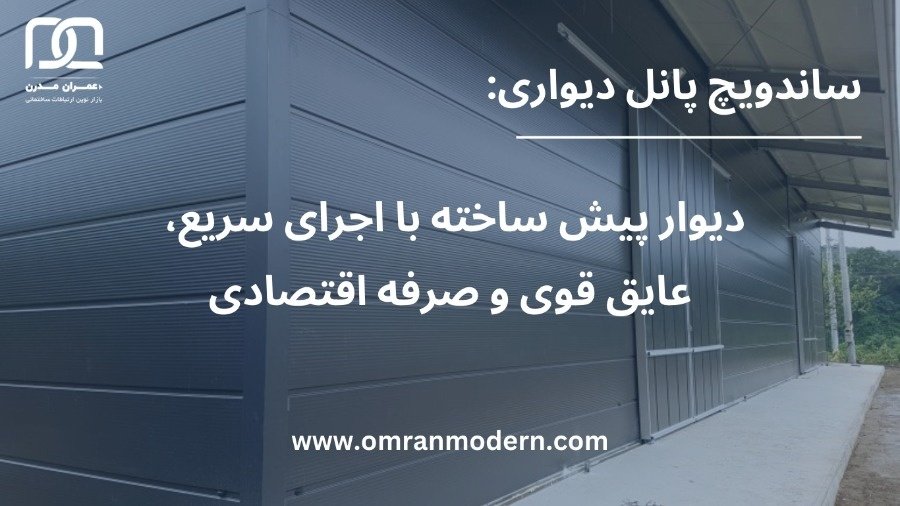
Wall sandwich panels are considered a modern solution for rapid and standardized wall construction. These systems are prefabricated and installed on-site, significantly reducing execution time and providing higher operational order.
In the structure of these panels, an insulating core, such as polyurethane or rock wool, is sandwiched between two layers of metal sheets. This combination enhances mechanical resistance, reduces heat transfer, and prevents moisture penetration. Their lightweight nature, combined with adequate strength, reduces the load on the structure and improves the overall performance of the building.
Using wall sandwich panels in industrial and commercial projects not only saves energy but also reduces maintenance costs.
Buying the best block for wall construction
Purchasing the best block for wall construction requires careful examination of the project type, climatic conditions, and budget. Each block serves a specific purpose, and making the wrong choice can lead to additional costs and execution problems. Before buying, you should compare factors like the weight of the block, compressive resistance, insulation properties, and execution speed. In this regard, seeking expert consultation is very important.Modern Civil Engineering, by providing technical consultations, product comparisons, and direct supply of materials, helps you make a precise and cost-effective choice.