


Nipah VirusWhat Is It and How Concerning Is It?
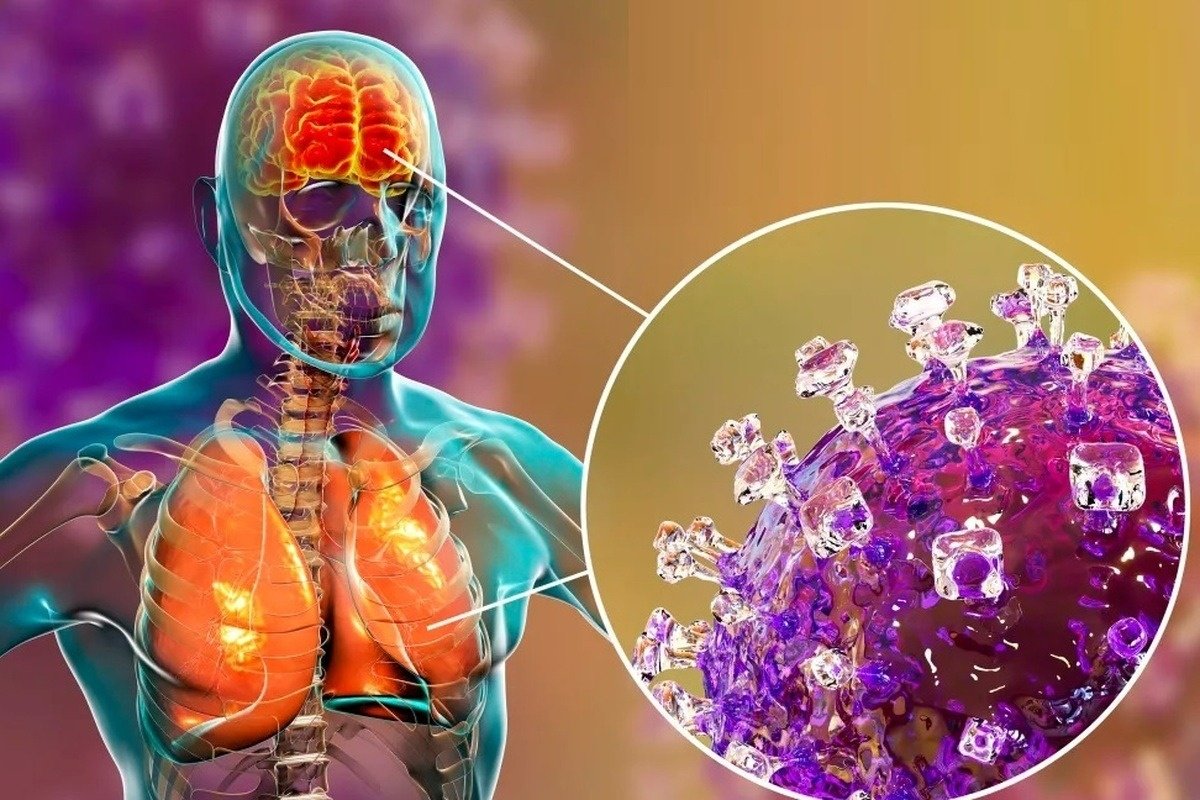
Nipah VirusThe Nipah virus is a dangerous and rare viral disease that is zoonotic, meaning it can be transmitted between animals and humans. It primarily spreads from animals to humans, but in certain situations, human-to-human transmission is also possible. The significance of Nipah lies in its potential to cause severe illness, affecting the brain and even leading to death, and there is currently no specific treatment or definitive vaccine available.
Where Did the Nipah Virus Come From?
According to reliable sources, the Nipah virus was first identified in 1998 during an outbreak among pig farmers in Malaysia. A year later, in 1999, cases were reported in Singapore as a result of the importation of infected pigs from Malaysia.
After that, no reports emerged from these two countries for a while, but from 2001 onwards, the Nipah virus appeared in Bangladesh and India.
In Bangladesh, outbreaks of this virus have been reported almost every year, while in India, the disease has been seen sporadically in various regions. The latest reports date back to 2026.
In addition, a limited outbreak of Nipah was recorded in the Philippines in 2014, after which no new cases were reported.
Transmission Methods of the Nipah Virus
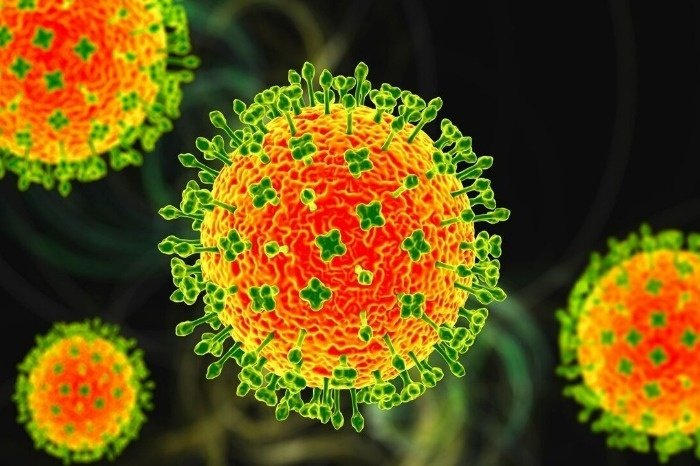
This virus spreads in two ways, which are detailed below.
Transmission from Animals to Humans
According to reports, the Nipah virus can be transmitted through:
- Direct contact with fruit bats (the most critical source of the virus)
- Contact with infected pigs or horses
- Consumption of fruit orfoodcontaminated with the virus.
- Transmission from Human to Human
In specific conditions, this virus can also spread between individuals, particularly:
- Among family members of the infected person
- Healthcare workers and caregivers
- Crowded healthcare environments with poor ventilation
- Failure to adhere to hygiene practices such as handwashing, not using protective gear, and inadequate disinfection increases the risk of transmission.
Incubation Period of the Nipah Virus
The incubation period, meaning the time from the virus entering the body until the onset of symptoms:
- Typically ranges from 3 to 14 days
- In rare cases, this period can extend up to 45 days.
Symptoms of Nipah Disease
Some individuals may remain asymptomatic, but in most cases, the disease starts with recognizable symptoms.
Initial and General Symptoms
- Fever
- Headache
- Severe weakness and fatigue
- Sleepiness and dizziness
- Chills
- Nausea or diarrhea
- Severe Symptoms
In many patients, the virus affects vital organs:
- Nervous symptoms such as confusion and reduced consciousness
- Respiratory problems like cough,Shortness of breathand pneumonia
- The disease can progress to inflammation and swelling of the brain (encephalitis), which can be dangerous and even fatal.
Complications and Consequences of the Disease
Most patients who survive will fully recover; however, about 20% of those who recover experience long-term neurological complications.
Severe illness, especially in individuals with neurological symptoms, can lead to death.
Diagnosis of the Nipah Virus
Nipah diagnosis cannot be made solely based on clinical symptoms and requires specialized testing.
Diagnostic methods include:
- RT-PCR testing of blood, respiratory secretions, or cerebrospinal fluid
- Antibody testing of blood using ELISA
Treatment for the Nipah Virus
Currently, there is no specific treatment for the Nipah virus.
However, prompt diagnosis and appropriate supportive care can increase the patient’s chances of survival.