

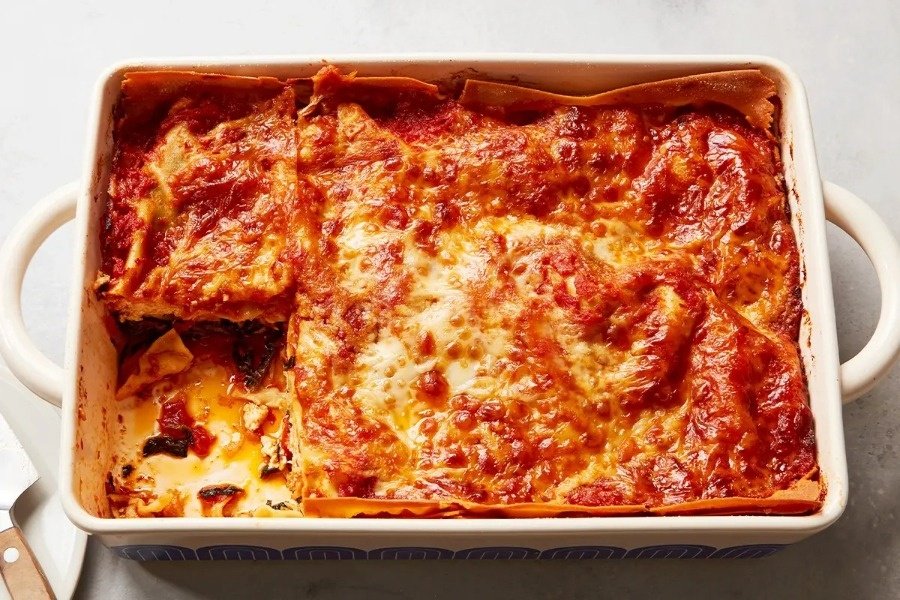
Lasagna, one of the most popular Italian dishes, is often made at home as a special meal for parties or family gatherings. While the quality of ingredients is crucial, the key to a great outcome lies in properly adjusting the cooking temperature and time in a home oven.
Next, we’ll discuss essential tips that can help you bake professional-quality lasagna in your home oven, along with an introduction to some advanced oven features.
Choosing the Right Dish for Lasagna
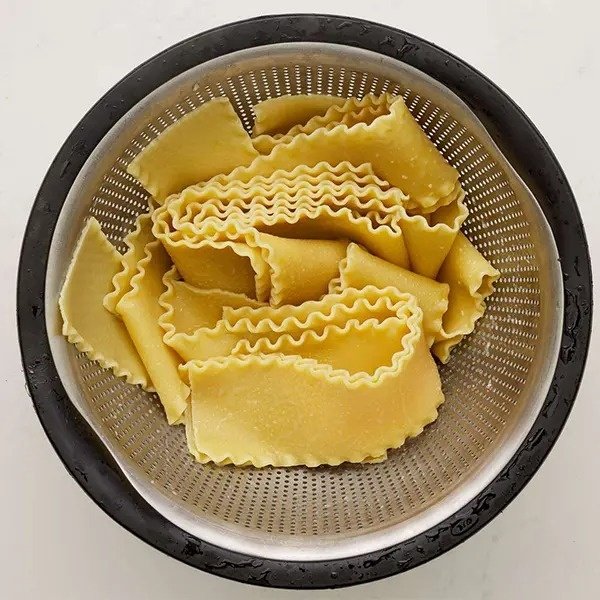
To start, it’s important to choose a dish that is suitable in both material and size for baking lasagna. Glass and ceramic dishes distribute heat more evenly and help retain moisture. On the other hand, metal pans transfer heat more quickly, which can sometimes lead to the top layers drying out excessively. The dish should be deep enough to allow for enough layers without spilling over or leaving too much empty space.
Preheating the Oven: A Vital Step
Preheating the oven before placing the lasagna dish inside is very important for professional-grade cooking. If this step is skipped, the middle and bottom layers of the lasagna may remain undercooked or doughy. The suggested preheating temperature varies between 180 to 200 degrees Celsius, depending on the type of oven and the thickness of the lasagna. Many new ovens come with automatic preheating features and precise temperature controls to help maintain a consistent temperature.
Setting the Temperature and Cooking Time
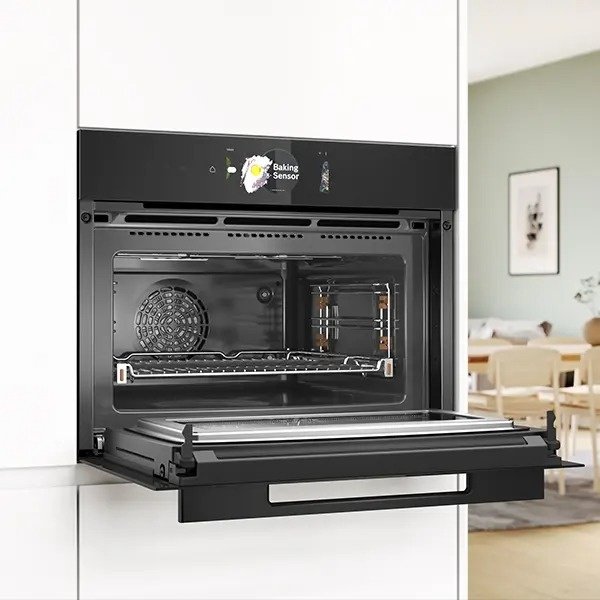
Baking lasagna requires careful attention to temperature and timing; excessive heat can burn the surface while leaving the inner layers undercooked. The standard baking temperature for lasagna is around 180 to 190 degrees Celsius. The cooking time will typically range from 45 to 60 minutes, depending on the layer thickness, ingredients used, and type of oven.
Using ovens that ensure even heat distribution is very effective in preventing uneven baking. These models, equipped with air circulation fans, distribute heat evenly throughout the oven’s interior.
Covering Lasagna During the Initial Cooking Phases
To prevent the top layers from burning, it is recommended to cover the lasagna dish with aluminum foil during the first 30 minutes of cooking. This allows the heat to gradually penetrate the center of the lasagna. In the last 10 to 15 minutes, you can remove the foil to allow the cheese on top to become golden brown.
Advanced ovens have automatic cooking programs for lasagna, intelligently timing the cooking steps which reduce the need for constant user supervision.
Using the Right Cheese and Browning the Top
One of the hallmarks of a professional-quality lasagna is its beautifully browned, golden cheese layer on top. A combination of mozzarella and parmesan cheese is an excellent choice, and placing the dish on the upper rack of the oven for a few minutes at the end of cooking can enhance the color of the lasagna surface.
Some high-end ovens come equipped with a separate grill feature. This allows for independent temperature adjustments for the upper part, providing more precise control for browning.
Letting Lasagna Rest After Baking
After the cooking time is completed, it is best not to serve the lasagna immediately. Allowing it to rest for 10 to 15 minutes helps it cool slightly and allows the layers to set, which results in neater slices when serving.
Ovens from reputable brands like Bosch, Siemens, and AEG feature excellent thermal insulation design that retains heat after they are turned off, assisting with the finishing of cooking without consuming additional energy.
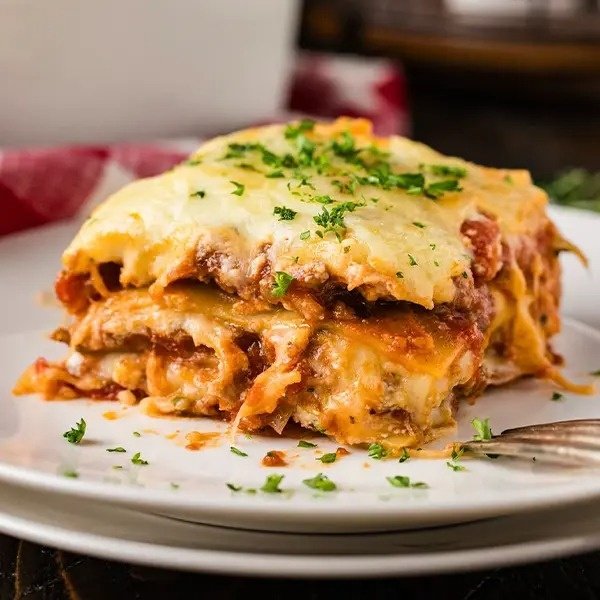
Checking the Moisture Level of Lasagna
Moisture is a critical factor in the final quality of lasagna. If the moisture level is too high, the lasagna becomes runny and dough-like; if it’s too low, it will dry out. Using the right consistency of béchamel sauce and balancing the ratio of tomato sauce to meat helps maintain moisture levels.
Professional ovens with precise temperature control and relative humidity adjustment capabilities during baking provide an ideal environment for creating standard lasagna.The Price of Bosch OvensAlso varies depending on the specialized features and technologies used in each model.
Utilizing Automatic Cooking Programs in Advanced Ovens
Many modern ovens come with preset cooking programs for specific dishes. One of these programs is for lasagna, featuring precise temperature, timing, and heat adjustments. By selecting this program, the device intelligently manages the cooking process.
In Bosch ovens, this capability is even more advanced, and buyers can visitthe Bosch websiteto get more comprehensive information regarding the features of various models from this brand.
Using a Timer and Sound Alerts
One of the most common issues when baking lasagna is forgetting the cooking time, especially when busy with preparing other parts of the meal or entertaining guests. Ovens equipped with digital timers and sound alerts solve this problem. By accurately setting the time, you can avoid burning or undercooking.
Cleaning the Oven After Baking
After cooking, keeping the oven clean is very important, as leftover grease can affect future cooking. Some new ovens offer an automatic cleaning feature.
Conclusion
Baking lasagna in a home oven requires careful attention to several important steps, including selecting the right dish, preheating, precisely adjusting temperature and time, using proper cheese, and considering details like resting after baking. Using high-quality ovens like Bosch plays a significant role in achieving professional results, and researching Bosch oven prices can help in making a more informed choice.