



Causes and Reasons for Ear Infections
Ear Infectionprimarily occurs in the middle ear; the middle ear becomes weakened by infection, causing blockage by mucus or fluid behindthe eardrumwhich affects a person’s hearing. Ear discharge is caused byfood allergiesupper respiratory issues,environmental allergies, genetics, internal injuries, and nutritional deficiencies.Signs and Symptoms of Ear Infection and Discharge in Children and Adults

Symptoms of ear infection and ear discharge in children:
Ear infections are very painful. Infants or young children cannot
express their ear painbut common signs to look out for include:fever
- shaking and pulling at the ear
- trouble sleeping
- discharge and fluids from the ear
- fatigue and irritability
- unusual crying
- hearing problems
- Symptoms of ear infection and middle ear discharge in adults:

Several signs of ear infection in adults include:
swelling of the middle ear
- excruciating ear pain
- in addition to these symptoms, high fever,
headachevomiting, poor response to sounds, anddiarrheacan be seen in adults and children.Possible Complications of Ear Infection:

If appropriate treatment is not given timely, ear infections can cause permanent changes in the ear and surrounding bones; some possible complications include:
cysts in the middle ear
- hardening of middle ear tissue
- bone infection behind the ear
- damage to parts of the ear that help maintain balance.
- facial paralysis
- inflammation inside or around the brain
- continuous discharge from a hole in the eardrum
- 11 Home Remedies for Ear Discharge and Infection
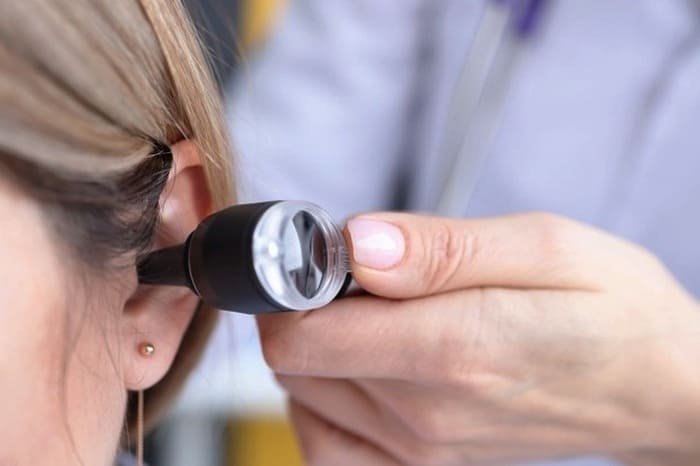
How to treat ear infections? It is human nature that whenever someone faces a health problem, the word “doctor” comes to mind. Before seeing a doctor, you should try some natural remedies to treat your ear infection.
Antibiotics are undoubtedly common solutions for quick treatment; however, sometimes these medications can lead to severe side effects. Therefore, in this health section of SelMagz,
we provide completely natural and harmless home remedies for those who do not have specific health conditions.1. Treating Ear Infection with Tea Tree OilTea tree oil is known for its antibacterial and healing properties; by using it, you can quickly relieve ear pain. Prepare a mixture of one teaspoon

of apple cider vinegar
2 tablespoonsof olive oil3 drops of tea tree oil, and one teaspoon of colloidal silver.Cover your head with a towel, hold your infected ear up, and use a dropper to pour the mixture into your ear, allowing it to sit for five minutes. After that, turn your head to let the mixture drain out completely. Repeat this method three times daily for effective results.2. The Role of Garlic in Eliminating Ear Infection
Using garlic is one effective home method for ear infections. You can make garlic oil to treat your ear infection. To prepare

garlic oil
peel and crush a clove of garlic.Pour the crushed garlic into 2 to 4 tablespoons of olive oil in a pan and place it on low heat, but do not let it get too hot. Swirl the oil around the pan until it becomes fragrant. Then take the mixture off the heat, allow it to cool, strain it, and store it in a jar.To use this oil, sleep on the opposite side and drop two to three drops of warm garlic oil into your ear. Place a cotton ball over your ear to keep the oil in. Sleep in this position for 10 to 15 minutes. Store any remaining oil in the fridge.
Note that this oil should not be used for perforated eardrums, and before using garlic oil, test it on a small area of your skin; if you have an allergy, do not use this oil.
3. Hot Compress / Warm Water Bottle for Treating Ear Infection
For quick relief, the first and most important treatment is to take a hot compress or warm water bottle and place it on your ear. You can also soak a cloth in

warm water
and put it on your ear. It is essential to note that the hot compress should not stay on for too long; start with five minutes and repeat as necessary.4. Mango Leaf JuiceMango leaf extract is effective for treating ear infections; take two or three mango leaves, shred or crush them to extract the juice. Using a dropper, put two or three drops of this extract in your infected ear, let it sit for a few minutes, and after a while, you will feel your ear pain improve. If done three times daily, your ear infection will surely improve.
5. The Effect of Onion on Ear DischargeOnion, not only a main cooking ingredient but also used in medicinal treatments, is very beneficial for ear infections. Wash a small onion and chop it finely, then place the chopped onion in the microwave for 1-2 minutes.Allow it to cool, then extract the juice; drop two to three drops of
onion juiceinto your infected ear and hold it for a few minutes. After a while, turn your head and let the juice drain out of your ear.You can also boil the onion for 30 minutes, then cut it into two pieces; place one piece in a cotton cloth and apply it to your infected ear for at least five minutes. Repeat this if necessary after ten minutes.

6. Treating Ear Infection with SaltSalt is considered the best home remedy; place a cup of salt in the microwave for at least 5-6 minutes. After that, pour the hot salt into a sock. Tie the open end of the sock with an elastic band.Lie down and place the sock under your infected ear for ten minutes; the warmth of the sock helps in draining fluid from the ear. To improve swelling and pain, this process should be repeated several times a day.
7. Basil for Ear Infection
Basil leaves are also one of the medicines used to combat ear infections and hearing damage. Take 4-5 basil leaves and crush them to extract the juice. Apply this extract around the infected area; this liquid should not enter the ear canal.Additionally, a mixture of basil extract andcoconut oil
can also be used to improve ear infections. Take a cotton ball and dip it in the mixture; then gently apply it on the inner part, outer edge, and back of the ear; this process should be done twice a day.

8. Treating Ear Discharge and Infection with Cider Vinegar
Apple cider vinegar is the best solution for eliminating ear fungi. Prepare a solution of vinegar and water in equal parts. You can also use alcohol instead of water; take a cotton ball and soak it in the solution.
Place the soaked cotton on your ear for five minutes; now remove the cotton and lie on the opposite side to allow the solution to drain from your ear. You can also use a hairdryer to dry your ear. White vinegar can also be used instead of apple cider vinegar.

9. Breast Milk for Ear InfectionBreastfed infants are much less likely to develop ear infections than typically older children or adults; breast milk is considered the best treatment for any type of ear infection. It is also used for treating eye infections, minor cuts, wounds, or burns.The natural antibodies in breast milk help reduce swelling and pain. Using a dropper, put 2-3 drops of breast milk in the infected ear. If this process is repeated every two hours, the ear infection will surely be cured.
10. Treating Ear Discharge with Olive Oil
As we know, ear infections are primarily due to mucus buildup in the ear, leading to the growth of bacteria and fungi, blocking the ear. Olive oil is one of the best solutions for this issue. Heat some olive oil.After warming, drop a few drops of warm oil into your infected ear. Olive oil helps soften mucus and wax. Wax can be gathered and removed with a cotton swab; do not insert the cotton swab too deep into the ear as it may damage the eardrum.Mustard oil

can also be used to treat ear infections.11. Mullein for Ear InfectionMullein is a wildflower plant that grows in various regions; to relieve ear infection, boil one teaspoon of mullein flowers in ½ cup of water.
Let it cool, then mix one tablespoon of mullein with one tablespoon of olive oil; let this mixture sit overnight. Drop a drop of the mixture into your infected ear; instead of preparing mullein oil at home, you can purchase it from the market.Measures to Prevent Ear Discharge and InfectionAn individual should take necessary precautions to prevent ear infections; follow these measures:
Continuously wash your hands to prevent the spread of infection and discharge.

Avoid smoking.
Breastfeeding is better for infants, but if you bottle-feed your baby, keep them sitting upright.
Vaccinate your child with the PCV vaccine (pneumococcal conjugate vaccine).Avoid common colds.