


Is throat and post-nasal mucus bothering you too?
What causes the creation ofthroat mucusthat eventually leads tosevere nighttime coughing?What does having mucus in the back of the throat and nose indicate, and what kind of treatment is suitable for it? In this article, building upon our previous health content,SelMagzwhich discussed herbal remedies for throat mucus, will explore other related topics.
What causes throat mucus; what increases mucus production?
Respiratory infections like the common cold,influenzaandsinusitiscause an increase in mucus and its expulsion. Allergic reactions are another reason that mucus production may increase, and even consuming spicy foods can lead to more mucus in the nasal passages.
When you have a respiratory infection, you may notice thick mucus that appears darker than normal. This thick mucus is denser than typical mucus and is accompanied by many characteristic symptoms ofthe common coldor influenza, and the expelled mucus might also appear yellow or green.

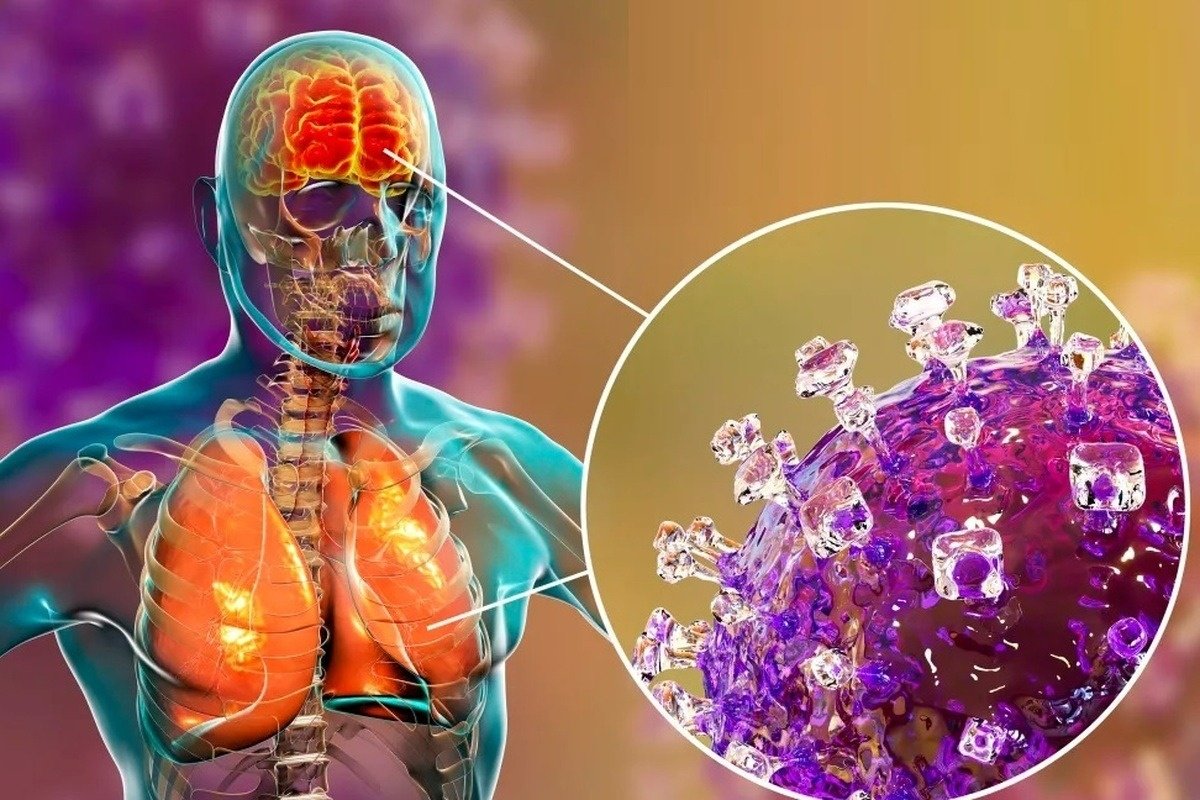
The increase of throat mucus due to a cold or influenza
Other causes of throat mucus include:
- The use of certain medications, especiallyhigh blood pressure medicationsand birth control pills,
- physical blockage in the nose, especially in children,
- pregnancy,
- consuming spicy and heavily spiced foods,
- cold weather or excessively dry air,
- strong gases and odors from chemicals, perfumes, detergents, cigarettes, and other irritants,
- deviation of the nasal septum or any structural issues affecting the sinuses.
Symptoms of throat mucus
- The presence of mucus in the throat, especially mucus that enters the throat from the back of the nose, causes a rough voice andthroat pain.It will cause discomfort and irritation, and you’ll find yourself constantly needing to clear your throat.
- If mucus blocks the sinus passages, it can lead to sinus infections or sinusitis.
- Due to inflammatory substances in the throat mucus, it becomes inflamed and triggers a cough, which often worsens at night or during afternoon naps.
- Another symptom of throat mucus is the onset of pain and infection in the ear, which occurs because the mucus and secretions block the Eustachian tube, the tube that connects the throat to the middle ear, leading to painful ear infections.
- Coughing is one of the symptoms of throat mucus.

What part of the body produces mucus?
Mucus is produced in many parts of the body by mucus glands in the cellular membrane tissues, including the lungs, sinuses, mouth, throat, nose, and gastrointestinal tract.
What is the difference between mucus and phlegm?
Phlegm refers to mucus produced by the respiratory system, especially when a large amount of mucus is produced and comes up. During an infection, the mucus contains the virus or bacteria responsible for the infection as well as immune system cells (white blood cells) that fight the infection.
Phlegm itself is not dangerous, but as stated in SelMagz health section, when it exists in large quantities, it can block the airways. Phlegm is typically expelled through coughing, usually accompanied by symptoms like nasal congestion,
runny nose,and sore throat.Causes and Symptoms of Phlegm and Throat Mucus

What do the different colors of mucus and phlegm mean?
Thick mucus associated with many illnesses is often darker and more yellow than normal mucus, which is clear and thin.
- Green mucus means that the mucus contains white blood cells and is associated with an infection.
- Blood in the nose or in the mucus
- darkis also common with upper respiratory infections, especially if the inside of the nose has been irritated or scratched.While a small amount of blood in mucus is normal, if there is heavy bleeding, a healthcare professional should be consulted.
- When is excessive throat mucus a problem?
Excessive mucus is rarely a serious medical problem but can cause discomfort and sinus irritation. Increased mucus and phlegm can lead to many unpleasant symptoms, including: runny nose, nasal congestion, sore throat,
sinus headache,and coughing.How to clear mucus from the throat?

How can you get rid of throat mucus and treat it?
Nasal irrigation with
- salt water, especially using special devices, is a good option for those who prefer to clear excess mucus without medication.Using syringes and squeeze bottles are other methods for
- nasal irrigation.Saline sprays are also helpful.Always use sterilized saline solutions or distilled water.
- Using non-sterile tap water can create a risk of infection in the respiratory tract and sinuses.
- Some medications can also help reduce mucus and improve the body’s ability to expel it.
- Several over-the-counter (OTC) medications can help reduce mucus or aid in mucus expulsion.
- Suppressants and
- antihistamines
are two types of medications that can help alleviate cold or flu symptoms. Suppressants reduce blood flow to the membrane tissues in the nose and throat, so your body may produce less mucus, and they may help you breathe easier when you have a stuffy nose. However, because they cause dryness, they may have the unintended effect of thickening mucus, and suppressants should only be used under a doctor’s supervision in those withhigh blood pressureor heart disease.Antihistamines block or limit the activity of histamines, substances produced in allergic reactions that cause the lining tissues in the nose to produce more mucus. Additionally, older antihistamines may cause drowsiness, but newer varieties can be taken during the day with minimal sedative effects.Another type of medication that can help reduce mucus is guaifenesin, a type of drug known as
expectorants
that thins mucus, making coughing easier.Tour to Russia at the best price at the dream of travel