

All causes, symptoms, prevention, and treatment optionsChildren’s Flu
Influenza is a respiratory infection caused by the influenza virus. It usually occurs once a year and is more common between November and April. The influenza virus often changes each year, and people cannot develop long-term immunity, which is why someone can get the flu more than once a year.InfluenzaSeasonal flu almost always affects everyone in a year, meaning no one can avoid it.
This disease can affect people of all ages and is usually dangerous for children.
How does the flu spread?
The flu virus develops in the nose and throat, and children may catch it from sisters, brothers, parents, family members, playmates, or others.
The infection and virus commonly enter through three ways:
– Direct contact:
Such as kissing, touching, or holding hands with someone infected.
If you are infected, germs are found in your nose, mouth, eyes, or on your skin, which can spread through touching others.
– Indirect contact:
This involves touching objects or toys that have been touched by infected people, such as surfaces contaminated with germs. Germs can also spread throughthe common coldanddiarrheato others.
– Germs in the air linger and can cause transmission through sneezing andcoughing.
How to Know if a Child Has the Flu?
The flu can start like a cold or sometimes be worse. Children with the flu usually don’t have enough energy to do their daily activities and often stay in bed.
Common symptoms include:
- Sudden fever
- Fever and chills
- Headache
- Muscle aches
- Severe fatigue
- Dry cough and sore throat
- Loss of appetite
- Dizziness
- Ear pain
Infected children may show various signs:
- Newborns may only show a high fever, which can sometimes be so severe that it’s hard to describe, and they might have no other symptoms.
- Children with high fevers over 39.5°C may experience seizures.
- Stomach pain, vomiting, and diarrhea are also common flu symptoms in children.Eye wateringis also among the typical symptoms.
- In some cases, muscle pain may also occur.

Can the flu cause serious complications?
Most people recover without serious issues. Fever and muscle pain usually last 2-4 days, but cough and fatigue can last for a week or more.
The flu can also lead to sore throat, vocal cord infection, causing wheezing, cough, pneumonia,bronchitis, and narrowing of airways.
It can weaken the immune system and lead to bacterial infections in the ears, lungs, or sinuses.
Influenza is more severe in children under 2 years old and in those with chronic conditions like heart, lung, or nervous system problems.
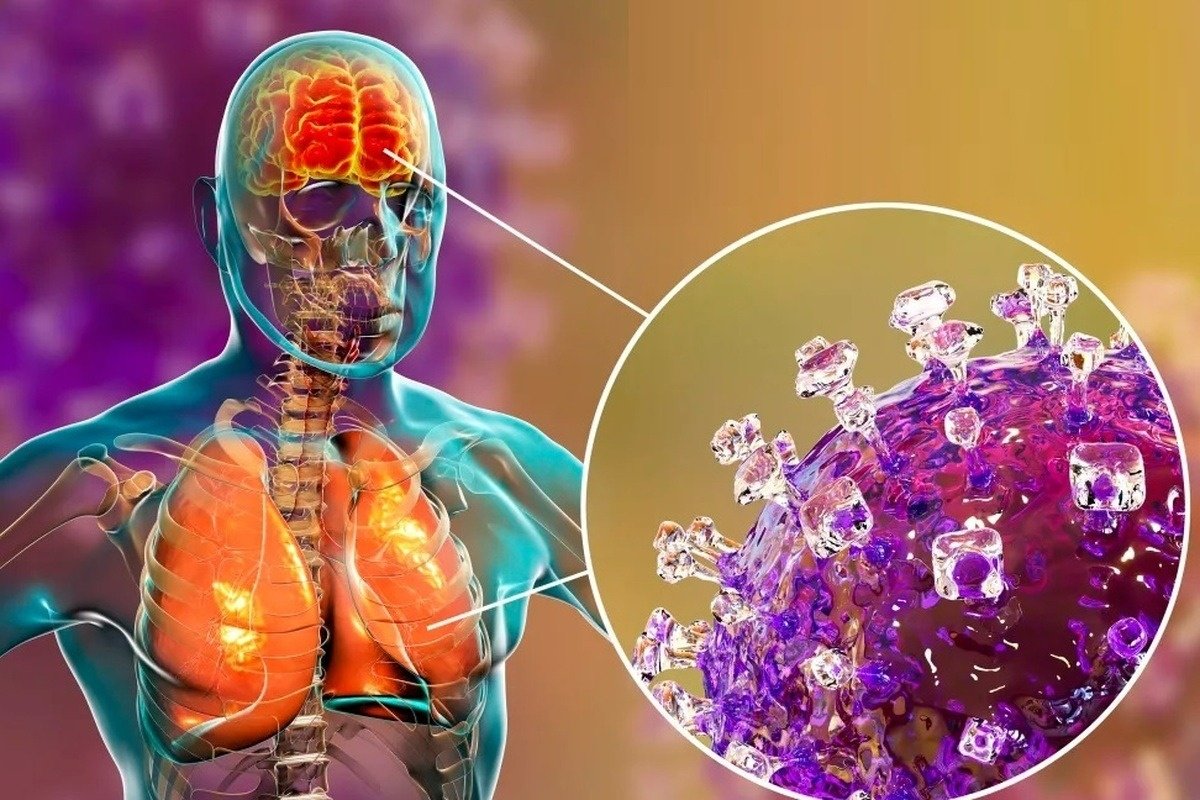
Rarely, flu can affect the brain and heart.
When should you see a doctor?
If your child is under 3 months old and has the flu, you must contact a doctor immediately. The following issues may develop:
- Breathing problems
- Not eating or vomiting
- High fever (over 38.5°C)
And if your child has any of these signs, contact a doctor:
- Rapid breathing that sometimes causes difficulty in breathing.
- Chest pain or bloody coughs
- Severe coughs causingnauseaand vomiting
- Not drinking enough water or urinating less than 6 hours after waking.
- Vomiting, nausea, or severe diarrhea lasting more than 4 hours.
- Excessive drowsiness and refusal to eat or drink.
- Feeling unwell after 5 days, persistent high fever, or signs of new fever or chronic illness.

If you see any of these symptoms, take your child to the hospital:
- Difficulty breathing
- Blue or purple lips
- Inability to move
- Searing or unresponsive to stimuli
- Stiff neck
- Confusion or disorientation
- Seizures
What to do if my child gets the flu?
- Keep your child comfortable, give plenty of fluids, and use nutritious foods.
- If they have a fever, dress them in light clothing and keep room temperature around 20°C.
- To reduce pain or fever over 38.5°C, useacetaminophenor ibuprofen for children over 6 months, but only as directed by a doctor. Never give aspirin or medications containing salicylates to children, as it can cause brain and liver damage.
- Do not give cough and cold medicines to children under 6 without a doctor’s advice.
- Consult your doctor or pharmacist before giving any medication, and follow instructions carefully. Never exceed recommended doses.
- Coughing helps clear respiratory secretions. Many influenza medications contain ingredients like dextromethorphan and diphenhydramine, which are usually prescribed for teens; studies show they don’t benefit young children.
- Gargling with warm water can soothe a sore throat: Children aged three or above, who can swallow, should use sugar-free and non-sweetened remedies, such as avoiding honey,herbal remediesor pectin. Medications like dextromethorphan, benzocaine, hexyl resorcinol, menthol, and phenol should not be given to young children as they can cause difficulty swallowing.
- Antiviral medications: If your child has lung or heart conditions, these may affect their immune system or other chronic illnesses. Always consult a doctor before giving antiviral drugs. Amantadine, Oseltamivir, and Zanamivir are antivirals that fight the flu. These are especially effective if taken within 48 hours of symptom onset.

How can I prevent the spread of influenza?
- Influenza can be prevented through vaccination: Children over six months should receive an annual flu shot, especially those at high risk or with chronic conditions.
- If your child is under 5 or has a chronic illness, the entire family should get vaccinated. Since young children cannot receive the vaccine, other family members should be vaccinated to prevent transmission.
- Hand washing is one of the most effective ways to reduce virus spread.
- Wash your hands after coughing, sneezing, or blowing your nose.
- Wash your hands after contact with people with respiratory infections.
- Wash your hands after touching your child’s nose.
- When water andsoap are unavailable, use alcohol-based hand sanitizers or disposable wipes, and keep your hands away from your child to avoid spreading germs.Avoid exposing infants under three months to colds and infected people as much as possible.
- Teach your child to cover their nose and mouth with a tissue when coughing or sneezing, or to cough into their sleeve or clothing, to prevent spreading the virus into the air.
- Be cautious not to let your child put toys in their mouth, and keep objects clean.
- Avoid sharing cups, glasses, or towels with others.
- If your child needs care, keep them indoors and avoid outdoor activities as much as possible.
- Ensure your child has received all necessary vaccines to prevent future issues like bacterial ear and lung infections.
- Difference between cold and flu:
These illnesses are often confused, but they have many differences. They are caused by different viruses. Importantly, there’s no cure for common cold, and managing cold symptoms is about controlling signs. Flu is caused by a virus of the influenza family, but there are treatments for it.
Flu symptoms include
headache,and issues like nasal congestion, cough, sore throat, and muscle pain. It can also cause diarrhea, vomiting, and high fever.In children, flu symptoms go beyond wheezing and coughing and usually begin two days after exposure to the virus.
Children infected with flu types A and B mostly have seasonal flu.
Children with type C flu can also show symptoms such as:
Eye watering
- Red eyes, nose, throat, and skin
- Restlessness
- Type C flu is usually mild, doesn’t spread easily, and is not contagious.
The flu can be dangerous and life-threatening, often more so than a cold. The viral infection can spread quickly, so don’t delay seeking medical help.
Never give your child aspirin without a doctor’s advice.
Sufficient rest helps recovery.
- The doctor might advise increasing fluid intake.
- How long does the flu last?
Most flu cases resolve within 5 days, with symptoms like cough and weakness sometimes lasting up to two weeks. Proper treatment can alleviate symptoms within two weeks.
Sometimes, the illness can take more than four or five weeks to recover from. Ignoring this can worsen the condition, potentially leading to pneumonia or other respiratory issues.
Now, you can consider home remedies shared below by SelMagz, which have no side effects.
Home remedies for fluHome treatments can relieve flu symptoms but do not completely eliminate the virus. Here are some remedies:1. Drinking plenty of water
Your child may refuse water or find swallowing uncomfortable due to sore throat or nausea. This can lead to dehydration and slow recovery. Ensure your child drinks enough water daily.
2. Consuming soup
Hot fluids like soups and warm lemon water can soothe the throat and reduce discomfort.
Chicken soup
A traditional remedy believed to speed up recovery. Give your child a bowl once or twice a week to boost immunity and fight the virus. Hot liquids help reduce nasal and throat inflammation.
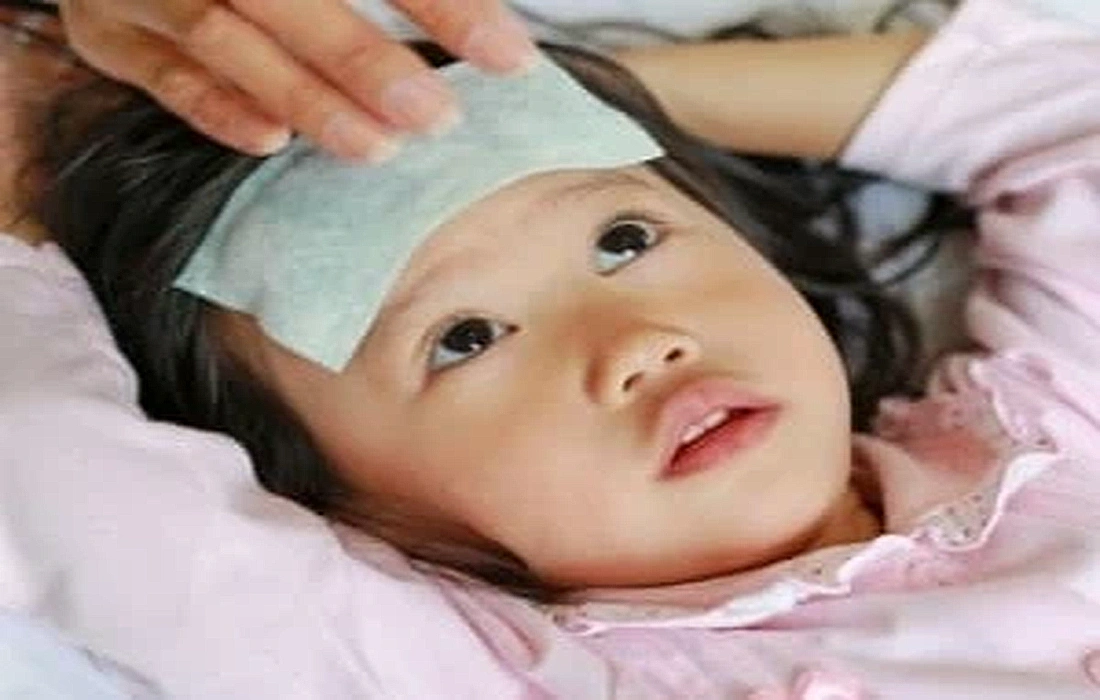
3. RestThe immune system needs energy to fight the virus. Resting helps reduce fatigue. Let your child rest as much as they need to build strength.4. Warm compressIf your child has a severe headache, apply a warm compress on their head. You can also place a warm towel on their forehead.5. Gargling

Gargling with warm salt water can clear mucus and soothe sore throat. Mix a glass of warm water with a teaspoon of salt; let your child gargle for at least 5 minutes, four times a day.
Also, dissolve some vinegar or apple cider vinegar in warm water for gargling daily.
Herbal teas or honey in water can help improve throat symptoms.
6. Steam inhalation
Steam helps clear nasal passages and lungs. Use a warm shower or boil water with rosemary; have your child breathe in the steam for five minutes.
When using a humidifier, change the water daily to prevent air pollution.
7. Proper diet
Eating nutritious foods acts like medicine to fight flu. Incorporate plenty of fluids and foods rich in vitamin C to boost immunity and help clean the lungs.Foods rich in vitamin C include: Orangesgreen vegetables, lemons, and
grapefruit— all high in vitamin C.Honey is antibacterial and helps soothe sore throat. Mix a spoonful of honey with lemon in warm water and give it to your child twice daily. Before bed, give 10 grams of honey to reduce coughing.
Ginger can also reduce sore throat and cough: Boil a small amount of ginger in water and give it to your child two or three times a day.
Sisr (garlic) contains allicin, which has antimicrobial properties and helps fight the flu virus. If your child cannot chew garlic cloves, add some to their soup.
You can also use herbal teas and decoctions to boost immunity and speed recovery.Probiotics inyogurt
contain beneficial bacteria that keep the immune system healthy. A healthy immune system fights the flu virus better.
Vegetables are rich in vitamins and minerals that provide energy needed to combat the virus. Include these vegetables daily in your child’s meals.
Oranges contain vitamin C, and a glass of
- orange juicedrink daily can help fight the flu more effectively.Bananas are high inpotassium and can help improve nausea.Other tipsNeglecting flu can lead to serious problems like asthma, heart issues,diabetes, and more.
- The illness can last from 3 to 5 days with medication, but recovery for older children (8-12 years) may take one or two weeks.
- There are no flu vaccines for infants under 6 months, but they are highly vulnerable to infection.Stomach painis a common flu symptom
- loss of appetite
- is another severe symptom.
- Sore throatusing cough syrupand
- home-made soups
- are effective house remedies.Children’s fluSymptoms
- Home treatmentsDiarrhea treatmentCough treatment
Eye watering treatment
Children’s fluBronchitis treatmentNausea treatment
Differences between cold and flu:
Overusing acetaminophen affects the body