


Everything you need to know about the symptomsPanic AttackDuring Sleep and How to Treat It
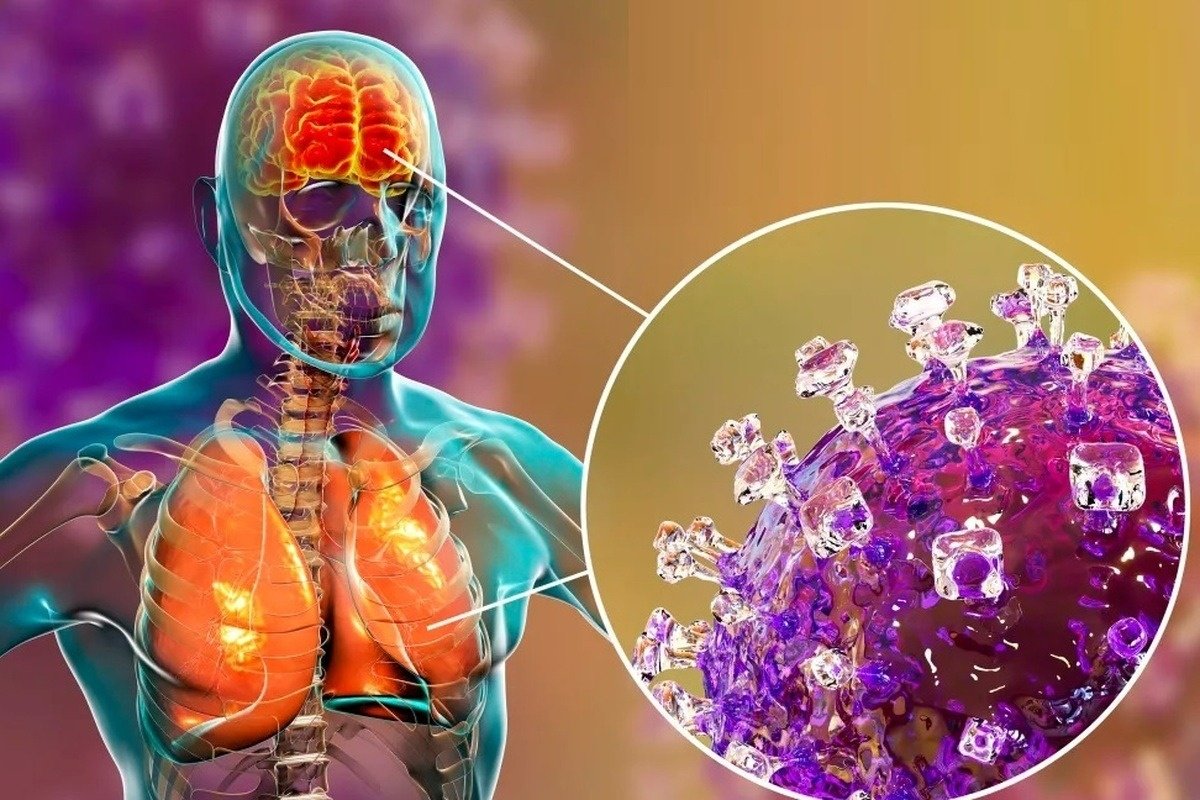
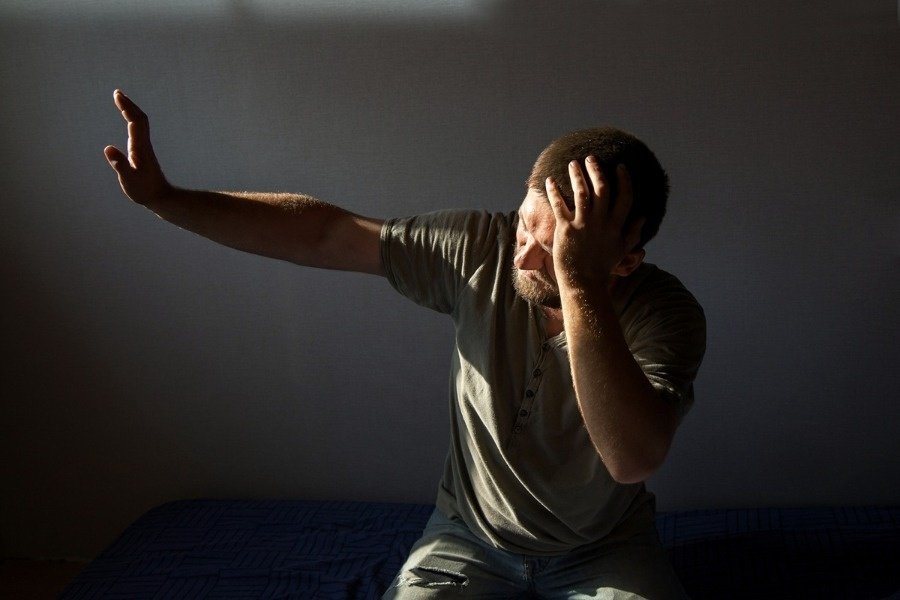
Nighttime panic attacks usually last only a few minutes; however, this does not mean it is an easy experience. In fact, it can be quite scary and distressing, as symptoms like shortness of breath,rapid heartbeatsuddenly appear along with heavy sweating. Panic attacks are difficult andstressfulevents.
Disrupted sleep can also trigger these attacks and lead to extreme fatigue. When these attacks start, they can’t be stopped immediately; however, there are strategies to cope more easily, which will be elaborated on in this section of health and wellnessSelMagzwe will provide a detailed explanation.
What exactly is a panic attack?
As mentioned, panic attacks occur suddenly. An attack may happen at night or even during the day; however, nearly 70 percent of those who experience frequent panic attacks have had these at night.
When you wake up from sleep due to a panic attack, you may experience symptoms that provoke fear, and you might feel like you are experiencinga severe heart attackor even that you are dying.

Symptoms of Nighttime Panic Attacks during Sleep
A panic attack can cause the following events:
- Shallow and non-deep breathing
- Heart palpitations
- Chest pain
- Dizziness
- Trembling of the body
- Nauseaand heavy sweating
- Numbness and tingling in the body
- Extreme fear experience
- Restlessness
Causes of Panic Attacks in Sleep and Nighttime
In response to the question of what causes panic attacks, it should be noted that the exact cause of panic attacks is still unknown; however, factors like genetics, stress, and brain function changes play a significant role in these events. Some individuals are more susceptible to these attacks. If these individuals experience nighttime panic attacks, it may take a long time to regain normal calm after waking up.
In fact, they might suddenly wake up because of excessivestress hormonerelease and feel in danger, which might stem from the experience of a traumatic event that has created significant feelings of danger, like being in a car accident, natural disasters, war, or physical violence, all of which can be contributing factors.
For example, being in a family that neglects your emotional needs, being in a toxic work environment, or living in a racist community can be a factor for this. Panic attacks can occur during particularly stressful periods, such as when you are losing your job, dealing with a serious illness, or facing a marriage breakdown.

Prevention and Treatment Strategies for Panic Attacks in Sleep
Panic attacks might wake you up at night. You should focus on not trying to control them; rather, accept the experience and remind yourself that you are not in danger, you are simply overwhelmed by feelings of stress and discomfort that will pass within a few minutes, and you will feel good again.
Remind yourself that you are safe and that there is nothing wrong with you or your health and that this is not your fault.
Breathing Exercises for Therapeutic Control of Panic Attacks During Sleep
Deep breathing exercises during panic attacks can help improve how you feel and reduce the intensity of your symptoms. Typically, it is recommended to breathe this way:
- Gently exhale all the air from your lungs.
- Simultaneously count to four and slowly inhale.
- Focus on the feeling of air entering your nose, mouth, and lungs.
- Count to four and hold your breath.
- Then slowly count to four again and exhale. Focus on the feeling of your breath leaving your nose at that moment. Repeat counting to four and continue exhaling.
- Repeat this for 4 to 5 times.
After this happens, you may not feel ready to go back to sleep immediately, so do not force yourself to do so. Give yourself time to return to a relaxed and calm state.
For instance, hugging your child,foot massage,using a soft and comfortable blanket,stretching exercises,drinking a cup of tea, lighting a candle, or even listening to soothing music can help calm you down.
Therapy for Reducing Panic Attacks During Sleep
If you want to prevent this from happening repeatedly, talk to a therapist; of course, just because it has happened once does not mean you have a panic disorder; however, it can be a sign of severe stress oranxiety.In fact, therapy can be an excellent solution to determine how best to manage this situation. If you have experienced frequent panic attacks or a doctor has diagnosed you with anxiety or depression, using antidepressants, beta-blockers, and anti-anxiety medications could be beneficial for you.
When to See a Doctor?You should definitely consult a specialist and psychotherapist, especially if these attacks have impacted your quality of life. If you wake up exhausted, unable to focus on your day, feel fearful at night, or experience various worries and anxieties, alongside issues such as depression and stress; you must see a doctor.Panic Attack

Panic Attack During Sleep
Causes of Panic Attacks