

Chickenpox in Childrenand Adolescents; What You Need to Know
Chickenpox is a common disease that children also have to endure. A child is protected after one vaccination and one infection. If vaccinated, the virus attack on the body is mild and they remain immune from this disease for the rest of their life. In rare cases,chickenpoxcan turn into another skin disease calledshingles. In this part of healthSelMagzin response to your request, we intend to introduce shingles, its diagnosis and treatment, especially among children and adolescents.
What is shingles?
Shingles is a viral infection that appears as rashes on the cheek or back of the body. This disease is rare in healthy children and adolescents, while individuals over 60 are at increased risk. Additionally, if children have a weakened immune system, they may contract this disease. Although shingles is rare, it can affect a person more than once.
How contagious is shingles?
Shingles is highly contagious like chickenpox; however, anyone who has physical contact with a person infected with shingles will contract chickenpox and not shingles. The average infection period for shingles lasts between 2-4 weeks, and once this period is over, the infection resolves on its own. This infection will only occur in individuals who have previously had chickenpox.
What causes shingles?
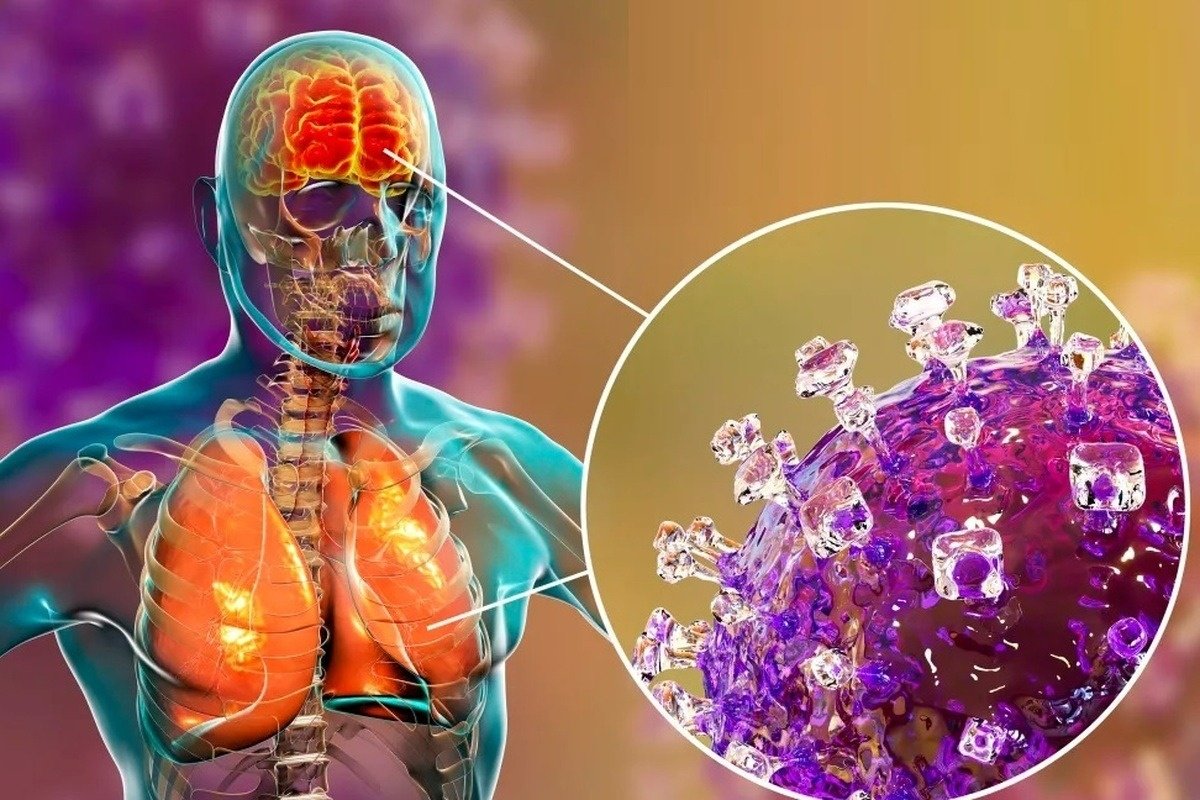
Shingles is caused by the varicella-zoster virus, which also causes chickenpox. The varicella-zoster virus is related to the herpes virus which leads to genital herpes and cold sores. Hence, shingles is also known asherpeszoster. This virus can attack children and adults who have not been vaccinated against chickenpox. In children who have previously experienced chickenpox, the dormant shingles virus can be triggered by various factors. However, this disease is rare in children under three years old. Considering that chickenpox and shingles are closely related, what are the symptoms in children?
What are the symptoms of shingles?
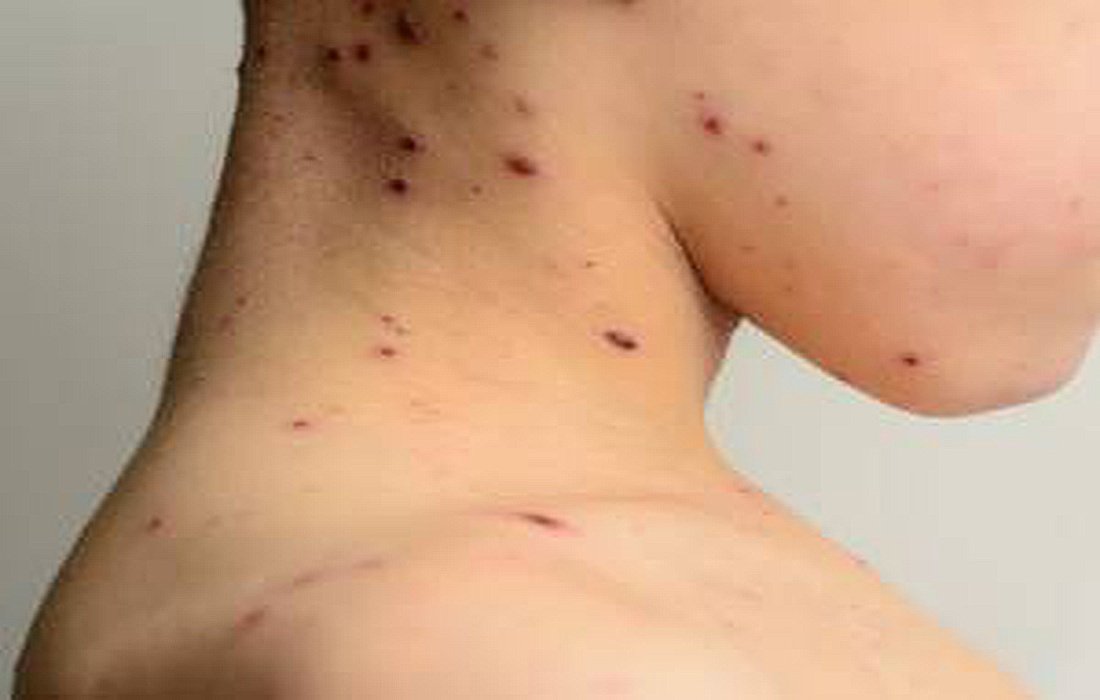
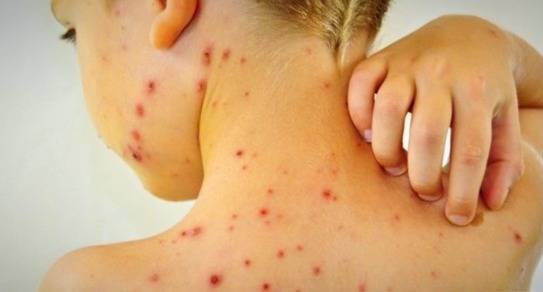
As previously mentioned in the health section of SelMagz, shingles is mainly identified by rashes on the skin, usually appearing on the upper body. The child may feel tingling and then experience pain and itching in the affected area.
Some common signs and symptoms of shingles include:
– Bone pain: The pain from shingles originates from the nerves, causing the pain to be felt just underneath the skin.
– Skin rashes that appear in clusters along the face or upper body. As the infection spreads, the rashes turn into pus-filled blisters that take 7-10 days to heal.
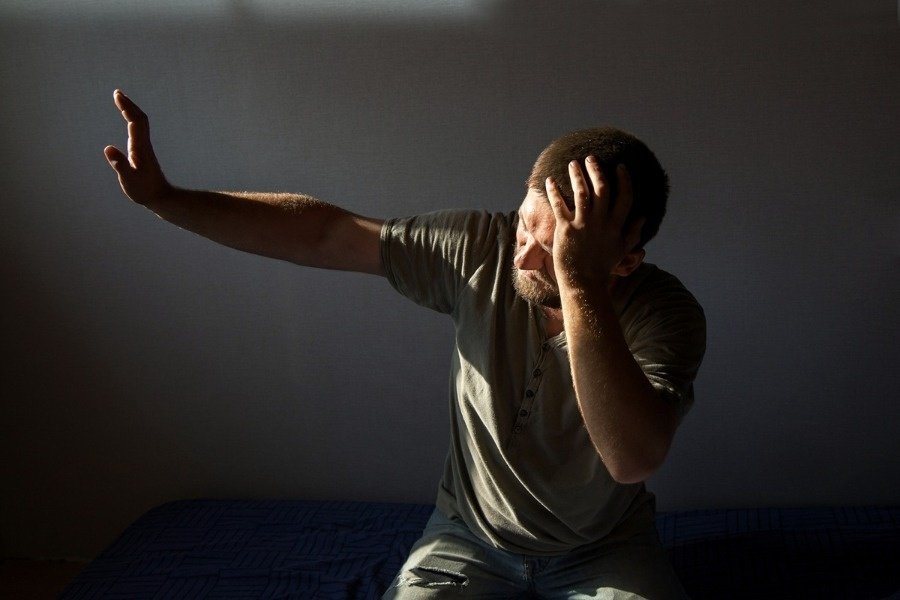
– Some children may experience symptoms such asheadaches, fever, general achiness, and fatigue.
– In some other cases, children may only have nerve-related pain without visible rashes.
***If you suspect these pains, it is better to consult a doctor.
When should a doctor be consulted for shingles?
Typically, shingles presents with rashes similar to chickenpox:
- If there are severe rashes on the face or around the eyes.
- If there are severe rashes that have not disappeared after 10-14 days.
- If there are painful or itchy rashes.
- If you have doubts regarding shingles rashes.
- If your child has a condition that causes rashes as a side effect of medication
- If the child has a fever and does not feel well and has pus-filled rashes.
Shingles itself is not dangerous but can make a child feel unwell or uncomfortable. Additionally, shingles is a contagious disease, meaning that the child could unknowingly infect others.
If you feel your child may have shingles, consult a doctor immediately.
Diagnosis of shingles
A doctor can diagnose shingles by observing the skin rashes. If there are no rashes present, the doctor will question your child about their pain. In some cases, a pathogenic test related to blister cultures may be ordered for accurate identification, and depending on the diagnosis, various treatment options will be provided.
Treatment of shingles for children
Shingles, like chickenpox, is not curable, but treatment can be considered if necessary. As mentioned above, shingles infection will resolve after its cycle, which can last up to a month, hence not all affected children may require treatment unless the doctor determines otherwise.
In that case, treatment may include:
– Antiviral medications such asacyclovir, famciclovir, and valacyclovir:
These drugs do not eliminate the virus from the body but help minimize any complications that varicella-zoster may cause. Antiviral medications may also help expedite the healing process.
– Some doctors may prescribe topical creams or sprays for the rashes or oral medications to alleviate the pain caused by the virus’s nerve effects. In some cases, prescription drugs such as Tylenol, ibuprofen, or tri-cyclic antidepressants for pain relief are recommended; however, givingaspirinto a child is not recommended because it may lead to Reye’s syndrome.– When pain is severe, the doctor may prescribe medications like morphine, oxycodone, or gabapentin.– If the rashes spread to the eyes, this is considered a main complication of shingles, in which case the doctor may prescribe antiviral medications along with steroids to minimize the rashes.
– Sometimes topical corticosteroids may be effective in reducing skin inflammation.
– Additionally, the doctor may prescribe
Home remedies for shingles
In this section of SelMagz health, herbal remedies that can be used to alleviate pain or discomfort from shingles are introduced:
- Oatmealhelps reduce rashes and relieve itching.Adding
vinegarto a cold water compress can help reduce itching and burning from the rashes. - Calamine lotion is also effective in treating the rashes.
- To relieve itching, you can also usealoe vera gelorvitamin Eif prescribed by a doctor.
- Baking soda paste orstarchcan help reduce itching from the rashes. Just mixbaking sodaor starch with water in a 2:1 ratio to form a smooth paste, then apply this paste to the rashes and wash the skin after 15 minutes.
**Although sometimes home and prescribed medications may cause discomfort, children with shingles need more careful monitoring.
Dos and Don’ts for Home Care of Shingles:
Shingles is a painful disease that should be carefully monitored to prevent the spread of infection.
*Dos:
- Use medications as directed by the doctor
- Keep rashes and blisters dry and clean to prevent infection from spreading to other parts of the body.
- Dress the child in loose and comfortable clothing to prevent the rashes and blisters from bursting.
- Use a cool compress, vegetable bag, or icy towel to relieve pain.
*Don’ts:
- Do not send the child to school or allow contact with others as long as the blisters are infected.
- Do not cover the blisters with a dressingor bandage.Do not use antibiotic creams as they may slow recovery.
- Do not scratch or mess with the rashes and blisters.
- Can shingles be prevented?
Shingles cannot be completely prevented, but several preventive measures can reduce the likelihood of a child contracting it:
Ensure the child is vaccinated against chickenpox and shingles. Unfortunately, shingles can affect a person more than once, so vaccination can reduce the likelihood of further outbreaks.
- If you have more than one child at home, ensure that the child with shingles remains isolated from others. Also, during this time, the child should stay home from school. A weak immune system can make the child susceptible to shingles and worsen the situation.
- Dietary changes to strengthen the immune system can help the child recover faster if they do contract the disease. Foods such as yellow and orange fruits,
- whole grain cereals, leafy greens, beans,tomatoes, lentils, chicken, dairy, andeggswhich are rich in vitamins B12, A, C, and E should be included in their diet.***Strengthening the immune system helps the body combat infection better.
Why do some children still get shingles?
In rare cases, some children cannot be vaccinated against the varicella-zoster virus, including those who had a severe reaction to the first dose. In these cases, a chickenpox infection puts the child at risk of shingles in the future. Even if your child has chickenpox, having a strong immune system greatly reduces their chance of getting shingles. Cases of shingles that occur in children and adolescents are milder in comparison to the severity and pain experienced by older adults.
What is shingles?