

One of the major pollutants in compressed air is oil, which can cause serious technical, health, and economic problems. Therefore, the use ofoil-free compressorshas significantly increased in recent years as a modern and specialized solution. These types of compressors eliminate oil from the compression process, allowing for the production of clean, uniform air that meets strict industrial standards.
Understanding Oil-Free Compressors Simply
An oil-free compressor is a device that, during the air compression process, does not introduce any oil into the compression chamber and the air output pathway. This feature ensures that the produced air is free from oil particles, hydrocarbon vapors, and contaminants from lubricants. Instead of oil, these compressors utilize self-lubricating materials, wear-resistant coatings, and engineered designs.
Why is the Presence of Oil Problematic in Compressed Air?
Oil in a compressed air system can have widespread consequences. Firstly, the contamination of the final product is one of its most serious repercussions. In industries such as food, pharmaceuticals, and healthcare, even very small amounts of oil can lead to product rejection by regulatory authorities. Furthermore, oil can cause damage to pneumatic equipment, clog filters, decrease system efficiency, and increase maintenance costs. From this perspective, eliminating the main source of contamination, namely the oil compressor, is considered a fundamental and sustainable solution.
Technical Structure of Oil-Free Compressors
In oil-free compressors, the internal design of the device is executed with high precision. Moving parts are engineered in a way that allows them to operate smoothly and steadily without the need for oil lubrication. The use of special alloys, ceramics, and advanced coatings minimizes friction. Additionally, cooling systems play a crucial role in temperature control and prolonging component lifespan.
Types of Oil-Free Compressors Based on Technology
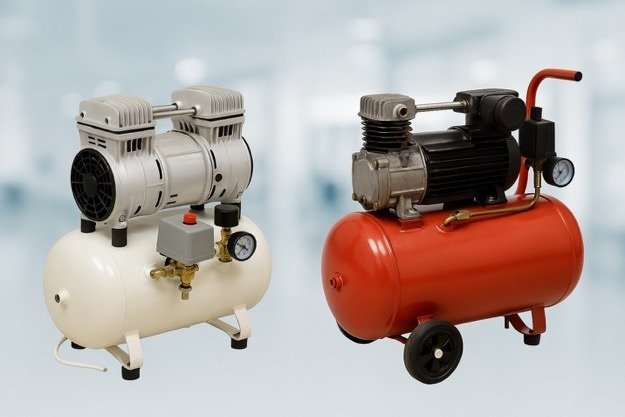
Oil-Free Piston Compressors
This type of compressor is mainly used in light and semi-industrial applications. Its advantages include a simple structure, reasonable initial costs, and ease of maintenance. However, they have a limited output flow compared to industrial models.
Oil-Free Screw Compressors
Oil-free screw compressors are considered one of the most advanced options for industrial applications. These models can operate continuously, produce high flow rates, and maintain steady pressure. They have replaced traditional systems in many large production lines.
Oil-Free Scroll Compressors
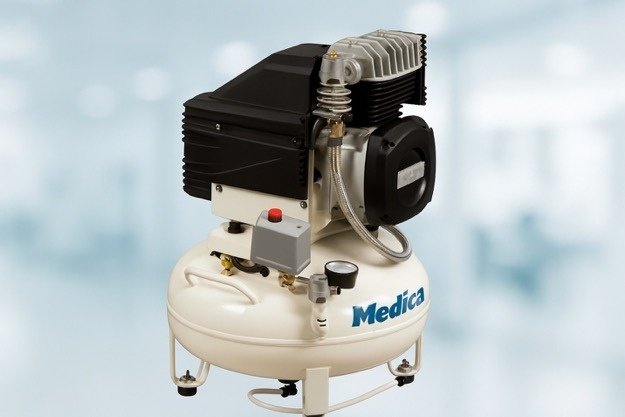
These models are widely used in sensitive environments such as laboratories, healthcare facilities, and the electronics industry due to their low noise, minimal vibration, and high-quality output air.
Differences Between Oil-Free Compressors and Oil-Filled Compressors
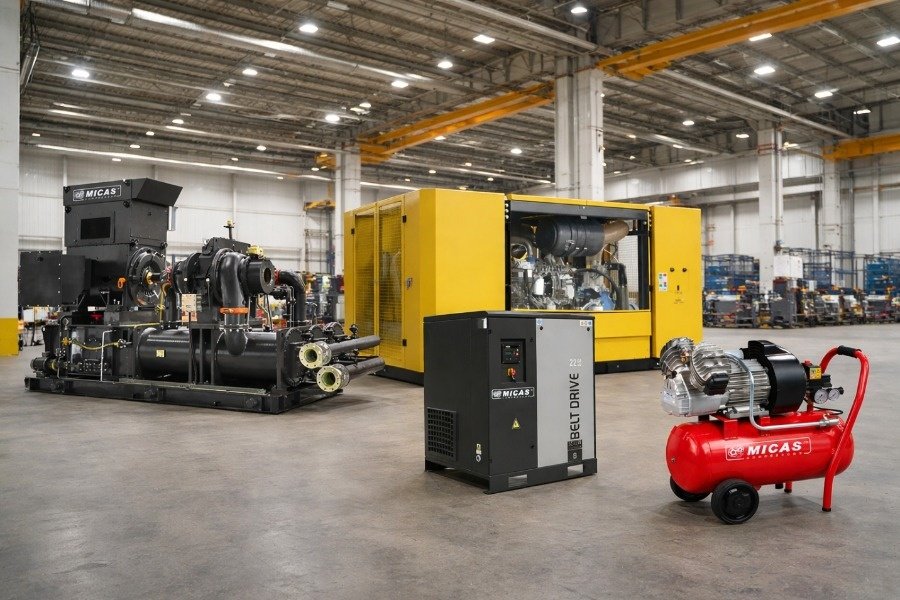
In oil-filled compressors, oil acts as a coolant, lubricant, and sealant, but there is always a risk of it entering the compressed air path. In contrast, oil-free compressors guarantee air quality by eliminating this factor. This difference is especially significant inindustrial air compressorsthat operate continuously and on a large scale.
Key Advantages of Oil-Free Compressors
Using an oil-free compressor offers numerous benefits that go beyond air quality. These advantages include reduced filtration costs, increased lifespan of downstream equipment, fewer production line stoppages, and full compliance with international standards. Additionally, eliminating oil from the system simplifies maintenance processes and reduces environmental risks.
Potential Drawbacks and Challenges
Alongside the benefits, oil-free compressors may have higher initial costs. Additionally, the higher sensitivity of some models to harsh working conditions requires careful selection and proper system design. However, in sensitive applications, these challenges are negligible compared to the long-term qualitative and economic advantages.
Application of Oil-Free Compressors in Various Industries
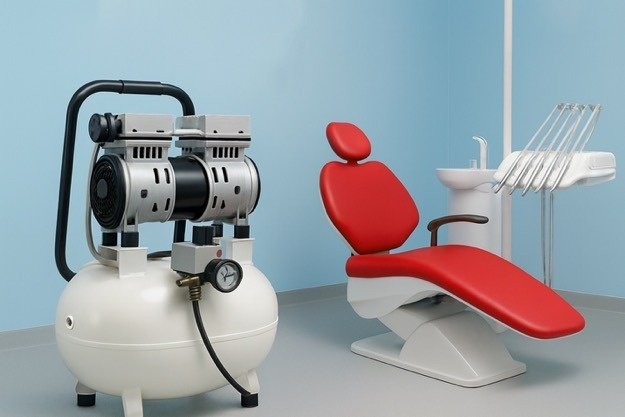
In the food and beverage industries, compressed air directly contacts the product, making the use of oil-free compressors a sanitary requirement. In the pharmaceutical industry, air quality plays a direct role in the final approval of products. Medical, dental, electronics, textiles, and even automotive sectors are other areas where the use of oil-free compressors is increasing.
International Standards for Compressed Air Quality
The ISO 8573 standard is one of the most important criteria for measuring the quality of compressed air. This standard specifies permissible levels of solid particles, moisture, and oil. Oil-free compressors are typically capable of achieving the highest classes of this standard, making them a reliable choice for sensitive industries.
Maintenance, Service, and Longevity
Maintaining, servicing, and prolonging the life of oil-free compressors are critical factors in ensuring stable performance and the quality of produced compressed air. Although these compressors lack lubrication systems, this does not mean that periodic servicing is completely unnecessary. Regularly checking the condition of air intake filters, ensuring the cleanliness of the suction path, and preventing the entrance of dust particles significantly reduce internal component wear and prevent efficiency loss.
Another vital aspect of maintaining oil-free compressors is managing the cooling system. Increased operating temperatures can gradually lead to a decrease in the lifespan of mechanical and electronic components. Thus, regular checks of fans, heat exchangers, and airflow paths should be conducted. Also, consideration of environmental conditions at the installation site, such as ambient temperature and humidity levels, directly impacts the compressor’s operational stability.
Periodic services should be performed according to the manufacturer’s technical instructions and by qualified personnel. Using standard and genuine spare parts, along with documenting service records, enables timely identification of wear indicators. This proactive approach not only prevents unexpected production line stoppages but also contributes to extending the useful life and economic efficiency of oil-free compressors, while reducing major repair costs.
The Role of Specialized Suppliers in Correct Selection
Selecting the right compressor without expert consultation can lead to additional costs and reduced efficiency. Access to accurate technical information, product variety, and the ability to compare options from reputable sources, such as the Komparts store website, simplifies and secures the decision-making process for industrial users.
The Future of Oil-Free Compressors
As industries become increasingly sensitive to quality, hygiene, and environmental standards, the use of oil-free compressors is expected to expand further. Advances in technology, reduced energy consumption, and improved designs are paving the way for a bright future for this equipment.
Final Summary
Oil-free compressors represent a modern, safe, and standardized solution for providing clean compressed air across various industries. By eliminating oil from the compression process, they not only ensure air quality but also enhance productivity, reduce ancillary costs, and improve safety levels. Given the growing trend towards using clean technologies, oil-free compressors hold a special position in the compressed air industry as a smart and forward-thinking choice.