

Symptoms and TreatmentRheumatismSpine orRheumatoid Arthritis
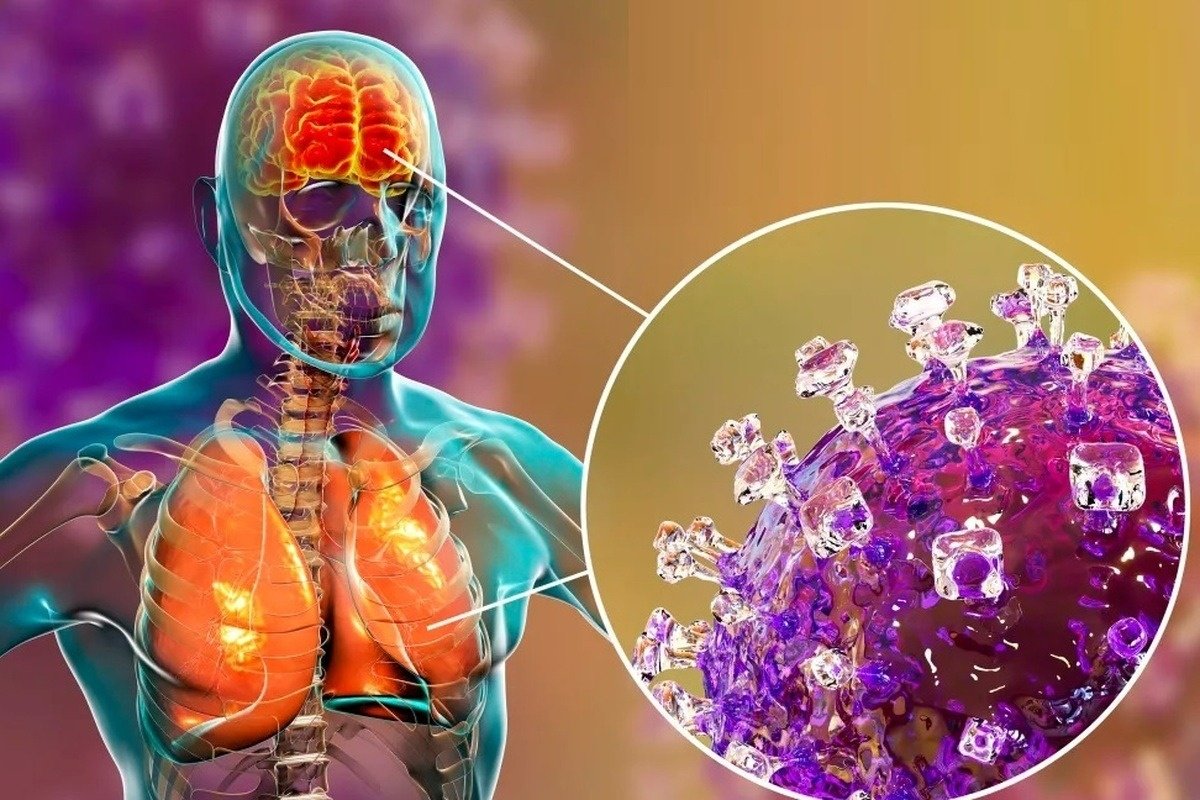
Rheumatoid arthritis is a disease that causes joint destruction in the body. It can occur in any joint and mainly affects the small joints in the hands and feet. When it affects the spinal joints, it often becomes prevalent in the neck (cervical spine) as well as the lower back.
Symptoms of rheumatoid arthritis or spinal rheumatism:
Inflammation of the spinal joints can lead to neck pain, lower back pain, or pain that radiates to the legs or arms, according to what is mentioned in the health section ofSelMagzIt is noted that in more advanced cases, joint degeneration in the spine can cause compression of the spinal cord or the spinal nerve roots. Symptoms of rheumatoid arthritis in the spine usually resemble those ofosteoarthritis.The range of signs is wide and can include any combination of the following:
Pain is the most common sign, especially pain at the base of the skull, as rheumatoid arthritis typically affects the joints of the upper cervical vertebrae.
Swelling and warmth in one or more joints, which may also be perceived as burning. Local tenderness where the spinal joint is under pressure.
Loss of flexibility in the affected joint(s) in the spinal area. A grinding sensation when the joint (known as crepitus) moves, particularly pronounced in the neck (although this cracking sound can also occur in normal joints).
Headache
related to rheumatoid arthritis or spinal rheumatism.Pain that radiates to one or both arms indicates that a cervical nerve is affected. Pain that radiates to one or both legs indicates that a lumbar nerve root is affected.
Altered ability to walk can increase pressure on the spinal cord. Tingling or weakness in the arms or legs, or loss of walking coordination, which may indicate that the spinal cord is affected.
Any issues with bowel or bladder control, such as incontinence or inability to
hold urineor inability to control bowel movements. Symptoms of bowel or bladder disorders and changes in walking ability or limb movement are serious medical signs and require immediate medical attention.Spinal Rheumatism
Diagnosis:
Physical Exam:
In a manual examination, the doctor may find crepitus in the neck joint and detect an unstable movement, including a positive “Clunk Test” (palpable). The sign may be observed with neck curvature and head tilting.
X-Ray Imaging:
50% of patients with radiographic instability are actually asymptomatic.
Initial X-rays should assess curvature and lateral expansion in addition to upper/rear and lateral views. These views are often repeated every 2-3 years, especially in patients with new symptoms or those potentially needing intubation. Disease progression is measured via the anterior atlanto-dental interval (AADI) and the posterior atlanto-dental interval (PADI). Other techniques include the Ranawat index, McGregor’s line, Clarke’s station, and Rydell-Jonell measurement.
Spinal involvement with rheumatoid arthritis or spinal rheumatism:
Symptoms commonly associated with rheumatoid arthritis in the spine can be significant for patients, including:
Manual examination of the affected spinal area causes tenderness.
Stiffness in the affected spinal area.
Crepitus, especially in the neck area.
Headache can occur with rheumatoid arthritis.
Pain that reflects in one or both arms indicates that a cervical nerve is affected. Pain that radiates in one or both legs signifies that a lumbar nerve root is affected.
Difficulty walking is a sign of increased pressure on the spinal cord. Tingling, weakness in the arms or legs, changes in balance and coordination may indicate spinal involvement issues.
Problems with bladder control and bowel movements (e.g., incontinence, inability to urinate, or inability to control bowel movements) may signal spinal issues.
This requires immediate medical attention. If rheumatoid arthritis leads to destruction of the spinal joint connections, a condition called spondylolisthesis may develop.
In spondylolisthesis, an upper vertebra slides forward towards the adjacent lower vertebra. The slipped vertebra can put additional pressure on the spinal cord or the nerve roots that exit the spine, causing some of the above-mentioned issues related to spinal pressure.
Spinal involvement with rheumatoid arthritis

How is spinal rheumatism treated?
In most cases, the treatment of spinal osteoarthritis focuses on relieving pain symptoms and improving the individual’s ability to function.
The goal is to maintain a healthy lifestyle. Initial treatment may involve reducing weight if necessary, followed by maintaining a healthy weight for everyone. Exercise is also important.
Exercise can help not just with weight management but also with:
_Increasing flexibility
_Improving mood
_Strengthening the heart
_Enhancing blood circulation
_Carrying out daily tasks
Some exercises related to osteoarthritis treatment include swimming,
walkingand aerobics.Exercise can be divided into the following categories:
Strength training:
These exercises aim to build stronger muscles. They work through resistance using weights or rubber bands.
How to treat spinal rheumatism

Aerobic exercises:
These are exercises that strengthen the heart and circulatory system.
Range of motion exercises for treating spinal rheumatism:
These exercises increase body flexibility. Rest periods in the overall treatment plan are also necessary.
But not for too long:
There are non-drug therapies for spinal rheumatism that must be done in consultation with a doctor, including:
_Massage
_Acupuncture
_Cold or hot compress, referring to applying ice or a warm compress to the affected joint.
_Medical electrical stimulation through the skin (TENS) using a small device that delivers electrical pulses to the affected area.
_Nutritional supplements
Pain-relief medications can also be used for treating osteoarthritis.
Such as
acetaminophen.Non-steroidal anti-inflammatory drugs (NSAIDs) are also available in specific strengths.Examples include aspirin, sodium
naproxen,
and ibuprofen.Medications carry serious side effects, which include:Heart attack,
stroke,
stomach upset,and bleeding and kidney damage. Topical ointments and creams are also available for pain treatment.They are applied to areas of injury but are generally not very effective and serve as pain relief. A doctor may recommend prescription medications for your symptoms since there are no drugs that reverse the process.These may include prescription painkillers, mild medications, or corticosteroid injections around the spine called steroid injections. It is important to understand that these injections do not correct the underlying problem.
Oral steroids are usually not used. Most cases of osteoarthritis are treated without surgery, but sometimes surgery is performed.
Osteoarthritis is a cause of spinal stenosis or narrowing of the spinal canal; in cases where the nervous system and bladder are damaged, the neurological system is affected, or when walking becomes very difficult, surgery may be recommended.
* Finally, as always, the health section of SelMagz recommends that you follow your treatment under the supervision of a certified specialist to achieve the desired outcome.*
Spinal Rheumatism
What is spinal rheumatism?